Books › First They Killed My Father
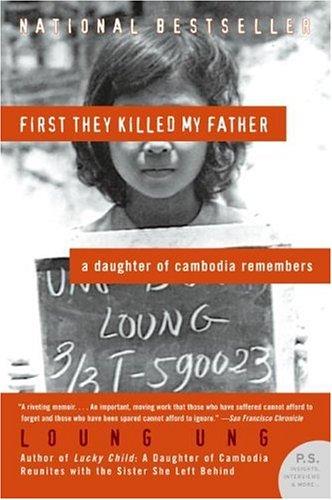
First They Killed My Father
288 pages
A devastating yet fiercely resilient child's-eye view of surviving unimaginable historical trauma.
What it feels like
Reading this memoir is a visceral, heart-in-your-throat experience that strips away the distance of history to place you directly inside a child's fight for survival. The narrative moves with a propulsive, terrifying urgency, mirroring the sudden collapse of a safe world into an oppressive nightmare of starvation and forced labor. Told through the unvarnished, immediate perspective of a young girl, the prose is stark and sensory, making the unimaginable horrors feel deeply personal. Yet, beneath the dread-soaked atmosphere and the staggering weight of grief, there is a fierce, pulsing current of familial love and sheer will to live. It is a devastating but essential read for anyone drawn to unflinching accounts of human resilience, offering a testament to the unbreakable bonds of family in the darkest times.
- Mood
- harrowing
- tense
- oppressive
- dread-soaked
- Tone
- unflinching
- urgent
- earnest
- devastating
- resilient
- Pace
- propulsive
- Themes
- loss of innocence · survival against all odds · family bonds · trauma and memory · human resilience
- The writing
- Direct, visceral, and unadorned, capturing the immediate, sensory experience of a child navigating a brutal world.
- The arc
- Plunges from the warmth of a privileged childhood into a nightmare of unimaginable loss, slowly clawing its way toward a fragile but enduring hope.
- Who it's for
- Readers who seek powerful, firsthand accounts of historical atrocities and are moved by stories of incredible human endurance.
Content notes
- genocide
- starvation
- graphic violence
- child soldiers
- death of family members
- war trauma
About the book
From a childhood survivor of the Camdodian genocide under the regime of Pol Pot, this is a riveting narrative of war crimes and desperate actions, the unnerving strength of a small girl and her family, and their triumph of spirit.
One of seven children of a high-ranking government official, Loung Ung lived a privileged life in the Cambodian capital of Phnom Penh until the age of five. Then, in April 1975, Pol Pot's Khmer Rouge army stormed into the city, forcing Ung's family to flee and, eventually, to disperse. Loung was trained as a child soldier in a work camp for orphans, her siblings were sent to labor camps, and those who survived the horrors would not be reunited until the Khmer Rouge was destroyed.
Harrowing yet hopeful, Loung's powerful story is an unforgettable account of a family shaken and shattered, yet miraculously sustained by courage and love in the face of unspeakable brutality.
Description from Open Library.
Books like First They Killed My Father
See why they match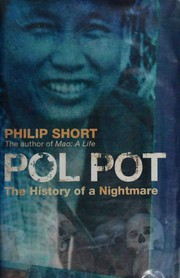 Pol PotPhilip ShortA chilling, masterfully researched descent into the mind of a dictator and the terrifying mutation of utopian ideals into national devastation.
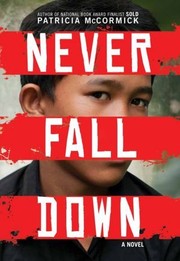 Never fall downPatricia McCormickA tense, harrowing, yet deeply inspiring testament to a young person's sheer will to survive an unimaginable historical nightmare.
 Red Scarf GirlJi-li JiangA poignant, clear-eyed journey through the shattering of childhood idealism amidst sweeping historical turmoil.
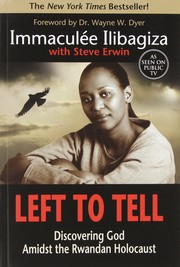 Left to TellImmaculée IlibagizaA harrowing but ultimately luminous testament to the power of faith and radical forgiveness in the face of unimaginable evil.
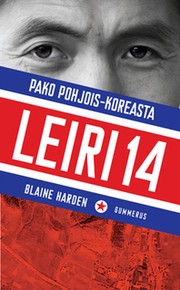 Escape from Camp 14Blaine HardenA harrowing, unputdownable descent into a modern-day dystopia that ultimately testifies to the sheer, stubborn will to survive.
 When heaven and earth changed placesLe Ly Hayslip and Jay WurtsA deeply personal dual-timeline memoir that captures the harrowing reality of being caught in a war and the complex emotional landscape of returning to a fractured homeland.