Books › For your own good

For your own good
hidden cruelty in child-rearing and the roots of violence
308 pages
A heavy, paradigm-shifting psychological excavation that connects the normalized cruelties of childhood to the darkest atrocities of human history.
What it feels like
Reading this book feels like putting on a pair of glasses that suddenly brings the darkest parts of human history into sharp, terrifying focus. It is a heavy, steady, and deeply unsettling experience, asking you to sit with the profound discomfort of how normalized cruelty shapes the human psyche. The prose is clinical but pulses with an urgent, uncompromising compassion for the vulnerable. It doesn't just present historical facts; it dismantles the very foundation of traditional discipline, leaving you with a sobering, paradigm-shifting awareness of intergenerational trauma. This is a read for those who want to understand the psychological roots of authoritarianism and violence, offering a grim but necessary revelation for anyone invested in breaking cycles of abuse.
- Mood
- unsettling
- heavy
- revelatory
- grim
- Tone
- uncompromising
- analytical
- urgent
- compassionate
- sobering
- Pace
- steady
- Themes
- intergenerational trauma · roots of authoritarianism · myth of the benevolent parent · breaking cycles of violence · societal complicity
- The writing
- Clinical yet deeply impassioned, the writing uses clear, methodical analysis to dismantle deeply ingrained cultural assumptions.
- The arc
- Begins with a shocking confrontation of normalized cruelty and builds into a devastating, paradigm-shifting understanding of human violence and societal complicity.
- Who it's for
- Readers fascinated by psychohistory, trauma, and the dark underbelly of societal norms who are willing to sit with deeply uncomfortable truths.
Content notes
- child abuse
- emotional abuse
- physical violence
- Holocaust references
- trauma
About the book
Miller proposed here that German traumatic childrearing produced heroin addict Christiane F., serial killer of children Jürgen Bartsch and dictator Adolf Hitler. Children learn to accept their parents' often abusive behaviour against themselves as being "for their own good." In the case of Hitler, it led to displacement against the Jews and other minority groups. For Miller, the traditional pedagogic process was manipulative, resulting in grown-up adults deferring excessively to authorities, even to tyrannical leaders or dictators, like Hitler. Miller even argued for abandoning the term "pedagogy" in favor of the word "support," something akin to what psychohistorians call the helping mode of parenting.
In the Poisonous Pedagogy section of the book, Miller does a thorough survey of 19th century child-rearing literature in the book, citing texts which recommend practices such as exposing children to dead bodies in order to teach them about the sexual functions of human anatomy (45–46), resisting the temptation to comfort screaming infants (41–43), and beating children who haven't committed any specific offense as a kind of conditioning would help them to understand their own evil and fallen nature.
The key element that Miller elucidated in this book was the understanding of why the German nation, the "good Germans," were compliant with Hitler's abusive regime, which Miller asserted was a direct result of how the society in general treated its children. She raised fundamental questions about current, worldwide child-rearing practices and issued a stern warning.
Description from Open Library.
Books like For your own good
See why they match Gemiedene SchlüsselAlice MillerA sobering psychological excavation of how early trauma shapes both brilliant creativity and devastating destructiveness.
 Das verbannte WissenAlice MillerA deeply validating and unflinching exploration of childhood trauma that offers profound clarity to those carrying invisible wounds.
 The boy who was raised as a dogBruce Duncan Perry and Maia SzalavitzA compassionate, eye-opening exploration of how extreme trauma shapes the developing brain and the innovative therapies that offer a path to healing.
 They Thought They Were FreeMilton MayerA chilling, penetrating look into the minds of ordinary people who became complicit in one of history's darkest regimes.
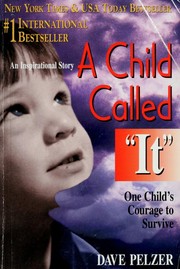 A child called "it"Dave PelzerA harrowing, unflinching descent into a child's living nightmare that ultimately stands as a testament to the unbreakable will to survive.
 The uses of enchantmentBruno BettelheimA deep, analytical dive into the subconscious power of the stories we tell our children.