Books › Four fish

Four fish
the future of the last wild food
285 pages
A sobering, globe-trotting exploration of humanity's deep connection to the ocean and the urgent ecological costs of our appetite.
What it feels like
Reading this book feels like embarking on a sobering, globe-trotting expedition alongside a deeply passionate guide. The narrative unfolds at a steady, deliberate pace, weaving together the expansive history of human societal development with the urgent, modern realities of ecological conservation. It carries an earnest and analytical tone, grounding the reader in the complex political and environmental webs that bring seafood to the dinner table. The mood shifts from a contemplative reverence for the open ocean to a sobering awareness of depleted ecosystems and industrial pollution. Written in clear, journalistic prose, it is an eye-opening experience designed for readers who crave a deeper, unvarnished understanding of the hidden costs behind global food consumption and marine stewardship.
- Mood
- contemplative
- sobering
- expansive
- Tone
- informative
- passionate
- urgent
- analytical
- earnest
- Pace
- steady
- Themes
- humanity's relationship with nature · ecological conservation · the hidden cost of consumption · industrialization of the natural world
- The writing
- Clear, journalistic, and deeply researched, blending historical context with passionate environmental advocacy.
- The arc
- Moves from a deep appreciation of the natural world to a sobering realization of ecological fragility and the urgent need for change.
- Who it's for
- Readers who want to understand the complex ecological and political realities behind their food choices and those passionate about marine conservation.
Content notes
- ecological destruction
- animal agriculture
- environmental degradation
About the book
In the majority of cultures around earth, many have at least one species of fish that is a staple of their diet, or holds a religious, spiritual, or philosophical meaning. In the book, Four Fish: The Future of the Last Wild Food by Paul Greenberg, the author supports an explanation as to why we, as humans, have such a love affair with not only fish but the open ocean. Mr. Greenberg, who is a devoted angler and also a fish conservationist, introduces the four fish that are eaten the most around the world. These are salmon, tuna, bass, and cod. He has a section covering each fish that includes, the history of the fish in relationship to human societal development, the various instances of domestication, the attempts at aquaculture, and also the state of the current wild populations for each. Mr. Greenberg then goes on to the political spectrum of the fish industries and highlights many of the problems that not just Americans face but all humans. Overfishing, depleting entire ecosystems, no fishing regulations or quotas, public demand for fish on the dinner table, and polluting fish farms are just a few of the topics he discusses.
He has written articles for The New York Times Magazine, Book Review, and in the October 2010 issue of National Geographic, he wrote an article that is a base summary of this book. This text takes anyone interested on a ride around the world to see how the fishing industry really functions. Greenberg explains all the complexities and issues that arise even for a piece of fish to get to your dinner plate or your local supermarket. His conclusions call for more sustainable fish farming, wild fish quotas, re-directing of government subsidies to areas of actual need, and to all of us, a wake up call if we want fish to be available for the next several generations. Personally, this is one of the best non-fiction books that has come out this year, and I hope you get a chance to read it. Mr. Greenberg has an easily accessible writing style that pulls you into the text and makes you want to continue further reading into the subjects he relates.
Description from Open Library.
Books like Four fish
See why they match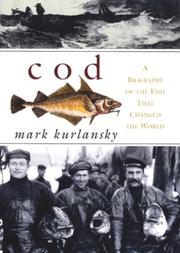 COD; A BIOGRAPHY OF THE FISH THAT CHANGED THE WORLDMark KurlanskyA salty, globe-trotting microhistory that reveals how a single, unassuming fish shaped empires, diets, and the modern world.
 Omnivore's Dilemma. A Natural History of Four MealsMichael PollanAn eye-opening, dirt-under-the-fingernails journey tracing the hidden paths our food takes before it reaches the plate.
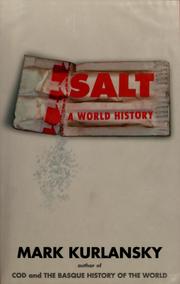 SaltMark KurlanskyA sweeping, globe-trotting journey that transforms a common table condiment into the secret engine of human civilization.
 Eating animalsJonathan Safran FoerAn urgent, deeply personal reckoning with the stories we tell ourselves about the food on our plates.
 CookedMichael PollanA sensory, philosophical journey into the kitchen that transforms the everyday act of cooking into elemental magic.
 Fast Food NationEric SchlosserA gripping, stomach-churning journey behind the counter of America's most ubiquitous industry.