Books › Four novels of the 1960s

Four novels of the 1960s
First published 2007 · 1128 pages
A dizzying plunge into simulated realities and alternate worlds where the very nature of perception is constantly called into question.
What it feels like
Reading this collection feels like stepping onto shifting ground, where the boundaries of reality are constantly dissolving and reforming. The pace is dizzying and propulsive, pulling you through alternate histories, postapocalyptic landscapes, and illusory half-lives with a mesmerizing unpredictability. It is an unsettling but deeply immersive experience, steeped in a mood of paranoia and mind-bending wonder. The narrative texture is astonishing, weaving themes of false perceptions, immortalism, and simulated realities into a tapestry that defies simple summary. As time collapses and characters navigate hallucinogenic virtual worlds, the reader is left questioning their own senses. This is a must-read for anyone who craves classic American science fiction that challenges the mind and leaves a lingering, disturbing resonance long after the final page.
- Mood
- mind-bending
- illusory
- postapocalyptic
- unsettling
- Tone
- dizzying
- mesmerizing
- disturbing
- surprising
- Pace
- propulsive
- Themes
- simulated realities · false perceptions · immortalism · alternate worlds · virtual reality
- The writing
- Mesmerizing and constantly surprising, delivering astonishing conceptual leaps that defy simple summary.
- The arc
- Begins with unsettling shifts in reality and spirals into a dizzying, desperate search for truth amid collapsing timelines.
- Who it's for
- Fans of classic American science fiction who love having their perceptions challenged by dizzying, shape-shifting narratives.
Content notes
- hallucinogens
- postapocalyptic themes
- death and cryonics
About the book
This Library of America volume brings together four of Dick’s most original novels. The Man in the High Castle (1962), which won the Hugo Award, describes an alternate world in which Japan and Germany have won World War II and America is divided into separate occupation zones. The dizzying The Three Stigmata of Palmer Eldritch (1965) posits a future in which competing hallucinogens proffer different brands of virtual reality, and an interplanetary drug tycoon can transform himself into a godlike figure transcending even physical death.
Do Androids Dream of Electric Sheep? (1968), about a bounty hunter in search of escaped androids in a postapocalyptic society where status is measured by the possession of live animals and religious life is focused on a television personality, was the basis for the movie Blade Runner. Ubik (1969), with its future world of psychic espionage agents and cryonically frozen patients inhabiting an illusory “half-life,” pursues Dick’s theme of simulated realities and false perceptions to ever more disturbing conclusions, as time collapses on itself and characters stranded in past eras search desperately for the elusive, constantly shape-shifting panacea Ubik. As with most of Dick’s novels, no plot summary can suggest the mesmerizing and constantly surprising texture of these astonishing books.
Description from Open Library.
Books like Four novels of the 1960s
See why they match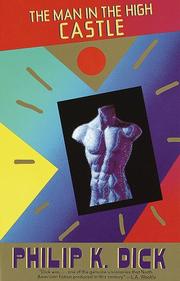 The Man in the High CastlePhilip DickA paranoid, mind-bending exploration of a fractured reality where history went wrong and truth is a dangerous illusion.
 UbikPhilip K. DickA paranoid, reality-crumbling descent into a hyper-capitalist nightmare where even the afterlife is monetized and nothing is as it seems.
 The three stigmata of Palmer EldritchPhilip K. DickA paranoid, hallucinatory descent into a corporate-controlled future where reality itself is a commodified, inescapable trap.
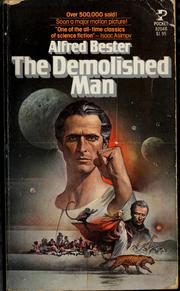 The Demolished ManAlfred BesterA feverish, typographic descent into the mind of a killer trying to outrun telepathic justice in a neon-drenched future.
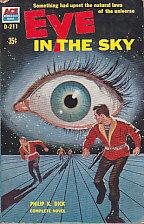 Eye in the skyDick Philip K.A surreal and satirical plunge into the terrifying, solipsistic universes born from our deepest prejudices and fears.
 Martian Time-SlipPhillip K. DickA dusty, paranoid descent into a fractured reality where time, sanity, and corporate greed collide on a desolate frontier.