Books › Four Thousand Weeks
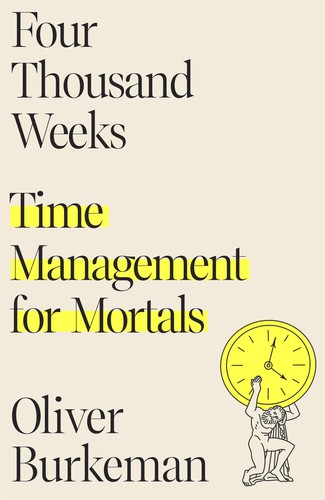
Four Thousand Weeks
Time Management for Mortals
288 pages
A gentle, philosophical dismantling of hustle culture that feels like a massive, life-altering exhale.
What it feels like
Reading this book feels like stepping off a high-speed treadmill you didn't realize you were running on. It wraps you in a grounding, oddly comforting atmosphere, replacing the frantic buzz of modern productivity with a quiet, expansive reflection on what it means to be human. The prose is wry and compassionate, guiding you through deep existential waters without ever feeling heavy or academic. Instead of offering another life-hack, it dismantles the very premise of 'getting it all done,' offering a profound sense of relief. It is a steady, liberating journey that moves from the anxiety of the infinite inbox to the peaceful acceptance of our finite lives, perfect for exhausted optimizers desperate for permission to simply exist.
- Mood
- reflective
- grounding
- comforting
- expansive
- Tone
- wry
- compassionate
- philosophical
- pragmatic
- liberating
- Pace
- steady
- Themes
- embracing finitude · the illusion of productivity · existential acceptance · letting go of control · meaning in the mundane
- The writing
- Clear, engaging, and gently humorous, blending deep philosophical inquiry with highly relatable everyday anecdotes.
- The arc
- Moves from the suffocating anxiety of endless to-do lists to a profound, liberating acceptance of our own limitations.
- Who it's for
- Recovering perfectionists, exhausted optimizers, and anyone desperate for permission to step off the productivity treadmill.
Content notes
- existential dread
- discussions of mortality
About the book
The average human lifespan is absurdly, outrageously, insultingly brief: if you live to 80, you have about four thousand weeks on earth. How should we use them best?
Of course, nobody needs telling that there isn't enough time. We're obsessed by our lengthening to-do lists, our overfilled inboxes, the struggle against distraction, and the sense that our attention spans are shrivelling. Yet we rarely make the conscious connection that these problems only trouble us in the first place thanks to the ultimate time-management problem: the challenge of how best to use our four thousand weeks.
Four Thousand Weeks is an uplifting, engrossing and deeply realistic exploration of this problem. Rejecting the futile modern obsession with 'getting everything done,' it introduces readers to tools for constructing a meaningful life, showing how the unhelpful ways we've come to think about time aren't inescapable, unchanging truths, but choices we've made, as individuals and as a society - and its many revelations will transform the reader's worldview.
Drawing on the insights of both ancient and contemporary philosophers, psychologists, and spiritual teachers, Oliver Burkeman sets out to realign our relationship with time - and in doing so, to liberate us from its grasp.
Description from Open Library.
Books like Four Thousand Weeks
See why they match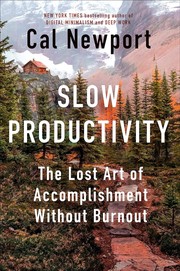 Slow ProductivityCal NewportA thoughtful, historically grounded roadmap out of soul-sapping hustle culture and into a more sustainable, meaningful way to work.
 Make timeJake KnappA friendly, low-guilt toolkit for rescuing your attention from the infinite scroll and spending it on what actually matters.
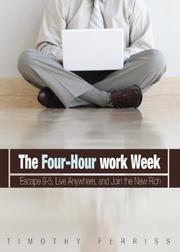 The 4-Hour WorkweekTimothy FerrissA provocative, high-octane blueprint for hacking the traditional career path and reclaiming your time.
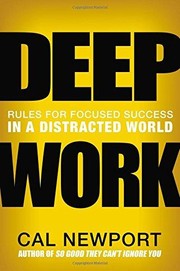 Deep WorkCal NewportA rigorous, clarifying manifesto for reclaiming your attention and finding quiet mastery in a world of constant digital noise.
 Stolen FocusJohann HariA deeply validating investigation into why your brain feels broken, shifting the blame from your willpower to the world around you.
 WhenDaniel H. PinkAn energizing, data-driven exploration that turns the abstract concept of time into a tangible tool for a better life.