Books › Slow Productivity

Slow Productivity
The Lost Art of Accomplishment Without Burnout
265 pages
A thoughtful, historically grounded roadmap out of soul-sapping hustle culture and into a more sustainable, meaningful way to work.
What it feels like
Reading this book feels like taking a deep, restorative breath after years of sprinting on a treadmill. It offers a steady, reflective atmosphere that directly counters the frantic energy of modern hustle culture. The narrative blends provocative cultural criticism with grounded historical research, drawing on the habits of storied thinkers to build a pragmatic roadmap for the future. The prose is analytical yet deeply encouraging, breaking down the absurdities of endless task lists while offering systematic, step-by-step advice for a more humane alternative. It is an intellectual and practical lifeline for overwhelmed knowledge workers, guiding the reader from the edge of burnout toward a hopeful, sustainable vision of long-term, meaningful accomplishment.
- Mood
- reflective
- grounded
- hopeful
- intellectual
- Tone
- pragmatic
- provocative
- analytical
- encouraging
- thoughtful
- Pace
- steady
- Themes
- escaping hustle culture · sustainable ambition · historical wisdom · meaningful accomplishment · workload management
- The writing
- A blend of deep historical research and systematic pragmatism, delivering cultural criticism alongside actionable advice.
- The arc
- Moves from the overwhelming exhaustion of modern busyness to a grounded, hopeful sense of sustainable accomplishment.
- Who it's for
- Knowledge workers and ambitious individuals feeling burned out by endless task lists who crave a more humane, timeless approach to their careers.
Content notes
- burnout
- workplace stress
About the book
Our current definition of “productivity” is broken. It pushes us to treat busyness as a proxy for useful effort, leading to impossibly lengthy task lists and ceaseless meetings. We’re overwhelmed by all we have to do and on the edge of burnout, left to decide between giving into soul-sapping hustle culture or rejecting ambition altogether. But are these really our only choices?
Long before the arrival of pinging inboxes and clogged schedules, history’s most creative and impactful philosophers, scientists, artists, and writers mastered the art of producing valuable work with staying power. In this timely and provocative book, Cal Newport harnesses the wisdom of these traditional knowledge workers to radically transform our modern jobs. Drawing from deep research on the habits and mindsets of a varied cast of storied thinkers – from Galileo and Isaac Newton, to Jane Austen and Georgia O’Keefe – Newport lays out the key principles of “slow productivity,” a more sustainable alternative to the aimless overwhelm that defines our current moment. Combining cultural criticism with systematic pragmatism, Newport deconstructs the absurdities inherent in standard notions of productivity, and then provides step-by-step advice for cultivating a slower, more humane alternative.
From the aggressive rethinking of workload management, to introducing seasonal variation, to shifting your performance toward long-term quality, Slow Productivity provides a roadmap for escaping overload and arriving instead at a more timeless approach to pursuing meaningful accomplishment. The world of work is due for a new revolution. Slow productivity is exactly what we need.
Description from Open Library.
Books like Slow Productivity
See why they match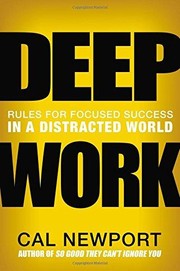 Deep WorkCal NewportA rigorous, clarifying manifesto for reclaiming your attention and finding quiet mastery in a world of constant digital noise.
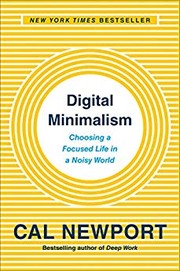 Digital MinimalismCal NewportA clear-eyed, practical manifesto for reclaiming your attention and finding quiet in an increasingly noisy world.
 Four Thousand WeeksOliver BurkemanA gentle, philosophical dismantling of hustle culture that feels like a massive, life-altering exhale.
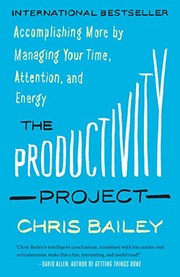 The Productivity ProjectChris BaileyA friendly, experimental guide to reclaiming your time, attention, and energy from the jaws of modern distraction.
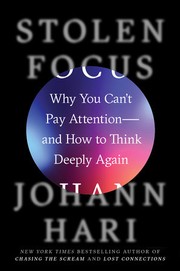 Stolen FocusJohann HariA deeply validating investigation into why your brain feels broken, shifting the blame from your willpower to the world around you.
 How to Do NothingJenny OdellA quiet, radical invitation to step off the treadmill of the attention economy and root yourself in the physical world.