Books › Frames of mind

Frames of mind
464 pages
A paradigm-shifting exploration of human potential that shatters the illusion of a single, measurable intelligence.
What it feels like
Reading this book feels like having a window opened in a previously stuffy, rigid room. It offers a steady, intellectually stimulating journey through the varied landscapes of human cognition, replacing narrow definitions of smartness with a vibrant, multifaceted view of potential. The prose is scholarly but deeply accessible, guiding the reader with an authoritative yet earnest tone that feels both visionary and deeply practical. As you progress, the atmosphere shifts from a critical examination of old paradigms to an optimistic, expansive appreciation for the diverse ways minds operate. It is a profoundly validating experience, perfect for educators, parents, and lifelong learners who suspect that human capability is far too complex to be captured by a single standardized test.
- Mood
- intellectually stimulating
- expansive
- contemplative
- Tone
- authoritative
- thought-provoking
- earnest
- visionary
- Pace
- steady
- Themes
- cognitive diversity · human potential · rethinking education · the nature of intelligence
- The writing
- Scholarly yet accessible, relying on clear structures and compelling real-world examples to ground abstract psychological concepts.
- The arc
- Moves from a critical deconstruction of traditional metrics to an empowering, expansive appreciation of diverse human capabilities.
- Who it's for
- Educators, parents, and curious minds eager to understand the varied landscapes of human cognition and potential.
About the book
Psychologist, author and Harvard professor Gardner (Multiple Intelligences: New Horizons) has put together a thought-provoking, visionary attempt to delineate the kinds of mental abilities ("minds") that will be critical to success in a 21st century landscape of accelerating change and information overload. Gardner's five minds-disciplined, synthesizing, creating, respectful and ethical-are not personality types, but ways of thinking available to anyone who invests the time and effort to cultivate them: "how we should use our minds." In presenting his "values enterprise," Gardner uses a variety of explanatory models, from developmental psychology to group dynamics, demonstrating their utility not just for individual development, but for tangible success in a full range of human endeavors, including education, business, science, art, politics and engineering.
Includes bibliographical references and indexes.
Description from Open Library.
Books like Frames of mind
See why they match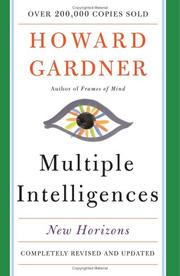 Multiple intelligencesHoward E. GardnerAn intellectually expansive and deeply hopeful read that shatters the illusion of a single kind of smart.
 The society of mindVoyager CompanyA playful, mind-bending puzzle box that dismantles the illusion of the self to reveal the hidden machinery of thought.
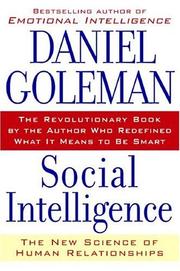 Social IntelligenceDaniel GolemanAn illuminating journey into the hidden neural pathways that make us fundamentally wired for human connection.
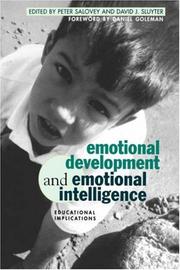 Emotional development and emotional intelligencePeter SaloveyA rigorous yet deeply practical exploration of how we can teach children to understand and harness their own feelings.
 The bell curveRichard J. HerrnsteinA dense, highly controversial academic treatise that attempts to map the societal implications of cognitive stratification.
 CreativityCs�kszentmih�lyi, Mih�lyAn analytical yet deeply inspiring exploration of the minds that shape our world, offering a blueprint for a more engaged and vibrant life.