Books › Social Intelligence
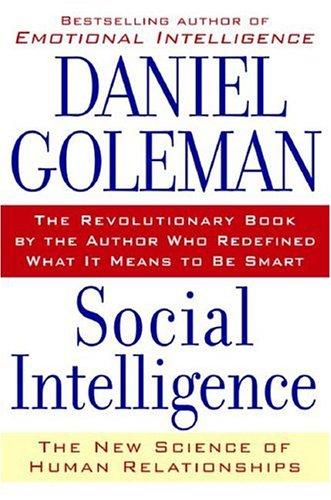
Social Intelligence
First published 2006 · 704 pages
An illuminating journey into the hidden neural pathways that make us fundamentally wired for human connection.
What it feels like
Reading this book feels like putting on a pair of glasses that suddenly reveals the invisible threads connecting everyone in a crowded room. It moves at a steady, deliberate pace, taking the time to unpack complex neuroscience without ever losing sight of the deeply human stories at its core. The atmosphere is intellectually stimulating yet warmly optimistic, wrapping the reader in a hopeful contemplation of our innate capacity for empathy and altruism. The prose is clear and grounded, translating the clinical language of biology into accessible, everyday insights. It is a deeply rewarding experience for anyone who wants to look past the surface of human behavior and understand the profound, biological reality of how much we truly need each other.
- Mood
- illuminating
- hopeful
- contemplative
- intellectually stimulating
- Tone
- authoritative
- empathetic
- earnest
- optimistic
- inquisitive
- Pace
- steady
- Themes
- the biology of connection · neuroscience of empathy · interpersonal dynamics · human altruism · social wiring
- The writing
- Clear, accessible, and grounded, seamlessly weaving complex neuroscientific research into relatable, everyday anecdotes.
- The arc
- Begins with a clinical curiosity about the brain and gradually builds into a deeply hopeful appreciation for our innate capacity to connect and care for one another.
- Who it's for
- Curious minds eager to understand the hidden biological and psychological currents that shape our daily interactions and relationships.
Content notes
- discussions of trauma
- psychological distress
- social isolation
About the book
Explores the nature of human relationships, finding that humans are "wired to connect," and bringing together the latest research in biology and neuroscience to reveal how one's daily encounters shape the brain and affect the body. "Humans have a built-in bias toward empathy, cooperation and altruism, provided we develop the social intelligence to nurure these capabilities in ourselves and others.
Description from Open Library.
Books like Social Intelligence
See why they match Working with Emotional IntelligenceDaniel GolemanA pragmatic, research-backed guide to mastering the invisible emotional currents that dictate professional success.
 Raising an emotionally intelligent childJohn Mordechai GottmanA compassionate, research-backed roadmap for turning emotional meltdowns into moments of profound connection.
 Emotional development and emotional intelligencePeter SaloveyA rigorous yet deeply practical exploration of how we can teach children to understand and harness their own feelings.
 A general theory of loveLewis, Thomas, Fari Amini and othersAn illuminating exploration of the biological and psychological rhythms that wire us for connection.
 The secret of our successJoseph Patrick HenrichA paradigm-shifting exploration that dismantles the myth of the lone genius to reveal the true superpower of our species: our collective brain.
 Altered traitsDaniel GolemanAn illuminating, evidence-based journey into how deep meditation physically and psychologically rewires the human brain.