Books › Fundamentals of analytical chemistry
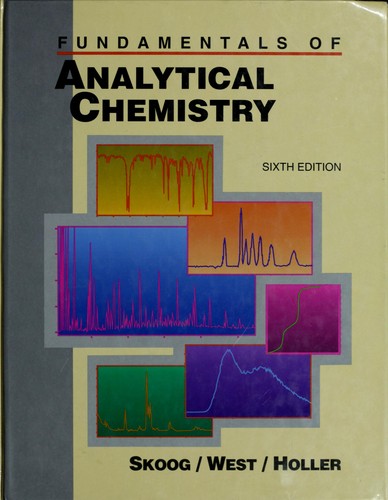
Fundamentals of analytical chemistry
First published 1963 · 1176 pages
A rigorous, methodical immersion into the exactitude of the chemical sciences.
What it feels like
Reading this foundational text feels like stepping into a pristine, brightly lit laboratory where every variable is accounted for. The pace is deliberately steady, demanding patience and focus as it builds complex concepts from the ground up. Its tone is unapologetically academic and authoritative, guiding the reader with a precise, objective hand through the intricacies of chemical analysis. The mood is deeply intellectual and rigorous, offering a quiet satisfaction that comes from finally grasping difficult, abstract concepts. The prose is dense but meticulously structured, prioritizing absolute clarity over stylistic flourish. It is a deeply rewarding experience for dedicated science students and professionals who crave a comprehensive, reliable anchor for their understanding of the material world, transforming daunting complexity into hard-won mastery.
- Mood
- intellectual
- structured
- clinical
- rigorous
- Tone
- authoritative
- objective
- precise
- instructional
- academic
- Pace
- steady
- Themes
- scientific inquiry · precision and accuracy · problem-solving · foundational mastery
- The writing
- Methodical, dense, and unapologetically academic, prioritizing clarity and exactitude over stylistic flourish.
- The arc
- Transitions from the daunting complexity of chemical principles to a satisfying, hard-won clarity of analytical mastery.
- Who it's for
- Dedicated chemistry students and laboratory professionals seeking a comprehensive, reliable anchor for their scientific education.
About the book
Rev. ed. of: Fundamentals of analytical chemistry / Douglas A. Skoog. 7th ed. c1996. Includes index. System requirements for accompanying computer disc: Windows 98, NT 4, ME, 2000 or Macintosh OS 8.5.1 or higher, Pentium Class or Power Mac.
Description from Open Library.
Books like Fundamentals of analytical chemistry
See why they match Principles of instrumental analysisDouglas A SkoogA rigorous, foundational journey into the precise mechanics of chemical analysis and instrumentation.
 ChemistrySteven S. ZumdahlA comprehensive, methodical exploration of the physical world's most fundamental building blocks.
 ChemistryMasterton, William L.A structured, academic exploration of general chemistry designed for methodical study.
 ChemistryKaren TimberlakeA methodical and illuminating guide that transforms the daunting microscopic world into a structured, understandable foundation for life.
 Introductory ChemistrySteven S. ZumdahlA patient, structured guide that transforms the intimidating world of atoms and equations into an accessible, satisfying puzzle.
 CriminalisticsRichard SafersteinA methodical, clear-eyed descent into the sterile laboratories where science decodes the messy aftermath of human violence.