Books › Green chemistry

Green chemistry
First published 1998 · 148 pages
A foundational blueprint that transforms environmental anxiety into actionable, scientific innovation.
What it feels like
Reading this foundational text feels less like studying a traditional chemistry manual and more like being handed a visionary blueprint for the future of industry. The mood is deeply intellectual and forward-looking, grounded in a pragmatic optimism that refuses to accept pollution as an inevitable byproduct of progress. Its steady, methodical pace walks the reader through paradigm-shifting concepts with authoritative clarity, replacing environmental dread with a structured, actionable framework. The prose is academic yet accessible, designed to empower rather than merely instruct. It is a deeply satisfying read for scientists, engineers, and environmentalists who crave practical solutions over abstract philosophy, offering a rigorous, hopeful path toward aligning human innovation with ecological harmony.
- Mood
- intellectual
- forward-looking
- structured
- hopeful
- Tone
- authoritative
- pragmatic
- visionary
- objective
- earnest
- Pace
- steady
- Themes
- sustainable innovation · systemic change · environmental responsibility · scientific ethics · practical idealism
- The writing
- Clear, methodical, and academic, prioritizing precise definitions and actionable principles over rhetorical flourish.
- The arc
- Moves from a sobering assessment of traditional industrial hazards to an empowering, structured framework for sustainable innovation.
- Who it's for
- Chemists, engineers, and environmental students eager to align their technical expertise with ecological sustainability.
Content notes
- environmental degradation
- industrial pollution
About the book
Includes bibliographical references (p. [125]-129) and index.
Description from Open Library.
Books like Green chemistry
See why they match The grassroots of green revolutionDeborah Lynn GuberA methodical exploration of the complex disconnect between American environmental ideals and political realities.
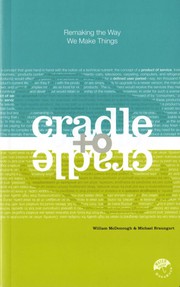 Cradle to CradleWilliam McDonough and Michael BraungartA paradigm-shifting blueprint that replaces environmental guilt with a thrilling, actionable vision for regenerative design.
 Environmental economicsBarry C. FieldA methodical, scholarly exploration of the intersection between economic development and environmental policy.
 Environmental scienceBernard J. NebelA foundational, earnest exploration of our planet's systems that balances sobering ecological realities with a pragmatic call to action.
 Organic ChemistryT. W. Graham SolomonsA rigorous, structured journey into the molecular architecture of the natural world.
 General chemistryRalph H. PetrucciA rigorous, methodical descent into the fundamental building blocks of the physical universe.