Books › Gulliver's Travels

Gulliver's Travels
First published 1966 · 3792 pages
A deadpan, fantastical travelogue that uses bizarre worlds to ruthlessly mock the absurdities of human nature.
What it feels like
Reading this classic feels like listening to a perfectly straight-faced comedian deliver a devastating roast of humanity. The narrative unfolds at a steady, episodic pace, carrying you through a series of increasingly bizarre and surreal landscapes. Despite the fantastical trappings of tiny empires and floating islands, the mood is sharply philosophical and ultimately cynical, steeped in a biting misanthropy that feels surprisingly modern. The prose is deliberately dry and formal, a brilliant stylistic choice that grounds the absurdity and makes the satirical jabs land with precision. It is an emotional arc that shifts from whimsical curiosity to profound alienation. This is a perfect read for those who appreciate sharp wit, absurdist world-building, and a deeply skeptical view of human institutions.
- Mood
- absurdist
- surreal
- philosophical
- misanthropic
- Tone
- satirical
- deadpan
- cynical
- biting
- observant
- Pace
- steady
- Themes
- flaws of human nature · cultural relativism · absurdity of politics · alienation and isolation · limits of reason
- The writing
- The prose is deliberately formal, dry, and precise, acting as a deadpan anchor for the wildly absurd events it describes.
- The arc
- The journey shifts from wide-eyed, curious exploration to a profound, lingering disillusionment with humanity.
- Who it's for
- Readers who delight in sharp, imaginative social commentary and do not mind a heavy dose of philosophical cynicism.
Content notes
- misanthropy
- scatological humor
- colonialism themes
About the book
A parody of traveler’s tales and a satire of human nature, “Gulliver’s Travels” is Jonathan Swift’s most famous work which was first published in 1726. An immensely popular tale ever since its original publication, “Gulliver’s Travels” is the story of its titular character, Lemuel Gulliver, a man who loves to travel. A series of four journeys are detailed in which Gulliver finds himself in a number of amusing and precarious situations. In the first voyage, Gulliver is imprisoned by a race of tiny people, the Lilliputians, when following a shipwreck he is washed upon the shores of their island country. In his second voyage Gulliver finds himself abandoned in Brobdingnag, a land of giants, where he is exhibited for their amusement. In his third voyage, Gulliver once again finds himself marooned; fortunately he is rescued by the flying island of Laputa, a kingdom devoted to the arts of music and mathematics. He subsequently travels to the surrounding lands of Balnibarbi, Luggnagg, Glubbdubdrib, and Japan. Finally in his last voyage, when he is set adrift by a mutinous crew, he finds himself in the curious Country of the Houyhnhnms. Through the various experiences of Gulliver, Swift brilliantly satirizes the political and cultural environment of his time in addition to creating a lasting and enchanting tale of fantasy. This edition is illustrated by Milo Winter and includes an introduction by George R. Dennis.
Description from Open Library.
Books like Gulliver's Travels
See why they match A tale of a tubJonathan SwiftA biting, footnote-heavy satirical romp through the absurdities of literary and intellectual debates.
 Around the World in 80 DaysJules VerneA delightfully frantic race against the clock that trades rigid routine for the chaotic wonders of a shrinking globe.
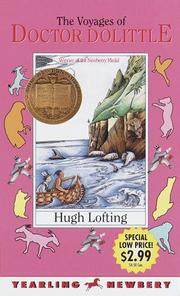 The Voyages of Doctor DolittleHugh LoftingA gentle, sun-warmed voyage where the magic lies in polite conversations with animals and the quiet thrill of discovering the unknown.
 Alice's Adventures in WonderlandLewis CarrollA surreal, logic-defying tumble into a dreamscape where language is a playground and adult rules are exposed as utter nonsense.
 The Life and Opinions of Tristram Shandy, GentlemanLaurence SterneA gloriously chaotic, endlessly digressive romp that breaks every rule of storytelling to capture the absurd comedy of human existence.
 Nils Holgerssons underbara resa genom SverigeSelma LagerlöfA classic, sweeping fairy tale of magical transformation and moral awakening high above the Swedish landscape.