Books › Habibi

Habibi
674 pages
A sweeping, intricately drawn epic that weaves myth, trauma, and the magic of storytelling into a harrowing yet beautiful tapestry of survival.
What it feels like
Reading this graphic novel feels like falling into a sprawling, intricately woven tapestry where myth and brutal reality collide. The pacing is steady, demanding that you linger over the breathtakingly dense, ornate artwork heavily influenced by Islamic geometry and Arabic calligraphy. It is a harrowing, emotionally heavy experience, steeped in a mood that is both dreamlike and deeply melancholic, as it unflinchingly explores the depths of human cruelty and the enduring power of love. The narrative tone is earnest and allegorical, treating its subjects with a reverent, almost sacred weight. This is a book for readers who want to be visually and emotionally overwhelmed by a sweeping, mythic tale of survival, trauma, and the transcendent magic of storytelling.
- Mood
- sweeping
- harrowing
- dreamlike
- melancholic
- atmospheric
- Tone
- mythic
- earnest
- unflinching
- allegorical
- reverent
- Pace
- steady
- Themes
- power of storytelling · trauma and survival · sacred versus profane · environmental degradation · chosen family
- The writing
- Intricately detailed and heavily ornamented, blending poetic, allegorical narration with breathtakingly dense visual storytelling and Arabic calligraphy.
- The arc
- Moves from harrowing vulnerability and traumatic separation through a sprawling, painful journey toward a profound, hard-won spiritual reunion.
- Who it's for
- Readers who appreciate sweeping, mythic graphic novels that tackle heavy themes of trauma, religion, and love through incredibly detailed, ornate artwork.
Content notes
- sexual violence
- child abuse
- slavery
- bodily mutilation
- environmental destruction
About the book
Sprawling across an epic landscape of deserts, harems, and modern industrial clutter, Habibi tells the tale of Dodola and Zam, refugee child slaves bound to each other by chance, by circumstance, and by the love that grows between them. We follow them as their lives unfold together and apart; as they struggle to make a place for themselves in a world (not unlike our own) fueled by fear, lust, and greed; and as they discover the extraordinary depth—and frailty—of their connection.
At once contemporary and timeless, Habibi gives us a love story of astounding resonance: a parable about our relationship to the natural world, the cultural divide between the first and third worlds, the common heritage of Christianity and Islam, and, most potently, the magic of storytelling.
Description from Open Library.
Books like Habibi
See why they match BlanketsCraig ThompsonA snow-muffled, deeply vulnerable portrait of first love and spiritual awakening that aches with the intensity of adolescence.
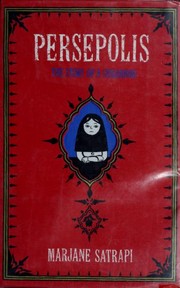 Persepolis 1 & 2Marjane SatrapiA fiercely candid and darkly funny graphic memoir about growing up rebellious in the shadow of revolution.
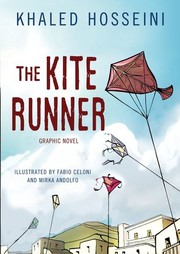 The Kite Runner--the graphic novelKhaled HosseiniA visually striking, emotionally devastating journey through the ruins of childhood friendship and the agonizing pursuit of redemption.
 Chroniques de JérusalemGuy DelisleA wry, quietly observant diary of navigating the mundane absurdities and heavy realities of life in a deeply divided city.
 Maus IArt SpiegelmanA stark, unsentimental descent into the horrors of history and the lingering echoes of trauma across generations.
 The Arab of the futureRiad SattoufA visually striking and candid graphic memoir that filters the chaos of political idealism and cultural displacement through the wide eyes of a nomadic child.