Books › Maus I

Maus I
A Survivor's Tale
First published 1986 · 308 pages
A stark, unsentimental descent into the horrors of history and the lingering echoes of trauma across generations.
What it feels like
Reading this book is a profoundly unsettling and necessary experience, anchoring you in a steady, deliberate rhythm that oscillates between the mundane frustrations of a fraught father-son relationship and the unimaginable horrors of the Holocaust. The atmosphere is claustrophobic and dread-soaked, stripped of any comforting sentimentality by its stark, anthropomorphic artwork and brutally direct dialogue. It does not offer easy redemption or neat resolutions; instead, it immerses you in the messy, enduring reality of intergenerational trauma and survivor's guilt. This is a haunting, essential read for those who gravitate toward unflinching historical narratives and deeply personal explorations of memory, family, and the heavy burdens we inherit from the past.
- Mood
- claustrophobic
- haunting
- dread-soaked
- somber
- Tone
- unflinching
- candid
- unsentimental
- fraught
- Pace
- steady
- Themes
- intergenerational trauma · the burden of memory · survivor's guilt · fraught family dynamics · the banality of evil
- The writing
- Stark, minimalist, and brutally direct, utilizing anthropomorphic allegory to strip away the comfort of distance.
- The arc
- Moves from the awkward friction of a modern family dynamic into a harrowing, inescapable descent into historical nightmare.
- Who it's for
- Readers who appreciate profound, historically grounded narratives that explore the messy, painful realities of family trauma and survival.
Content notes
- Holocaust
- genocide
- antisemitism
- suicide
- war trauma
About the book
A story of a Jewish survivor of Hitler's Europe and his son, a cartoonist who tries to come to terms with his father's story and history itself.
Description from Open Library.
Books like Maus I
See why they match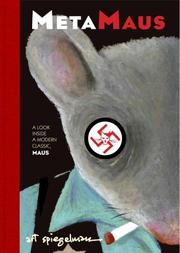 MetaMausArt SpiegelmanA profound, archival excavation of memory, art, and the heavy responsibility of drawing history.
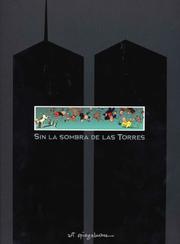 In the Shadow of No TowersArt SpiegelmanA frantic, visually explosive time capsule of post-9/11 paranoia and political fury.
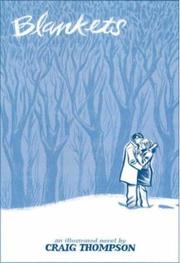 BlanketsCraig ThompsonA snow-muffled, deeply vulnerable portrait of first love and spiritual awakening that aches with the intensity of adolescence.
 HabibiCraig ThompsonA sweeping, intricately drawn epic that weaves myth, trauma, and the magic of storytelling into a harrowing yet beautiful tapestry of survival.
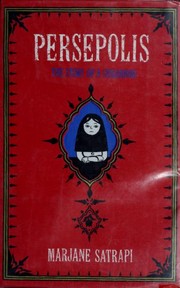 Persepolis 1 & 2Marjane SatrapiA fiercely candid and darkly funny graphic memoir about growing up rebellious in the shadow of revolution.
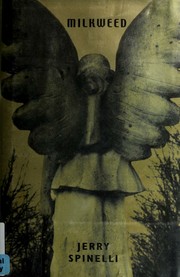 MilkweedRon RifkinA heartbreakingly naive perspective on unimaginable tragedy, told with breathless energy and profound empathy.