Books › Hidden Figures

Hidden Figures
576 pages
An inspiring, intellectually thrilling journey alongside the brilliant minds who defied gravity and systemic prejudice to change the course of history.
What it feels like
Reading this book feels like stepping into a bustling, high-stakes laboratory where the air crackles with intellectual energy and quiet defiance. It is a steady, deeply grounded narrative that balances the sweeping momentum of the Space Race with the intimate, daily realities of navigating Jim Crow-era America. The prose is meticulous and reverent, asking you to sit with the sheer weight of the systemic barriers these women faced before letting you soar alongside their monumental triumphs. There is a profound sense of justice in these pages, a restorative historical lens that feels both deeply frustrating in its depiction of prejudice and overwhelmingly triumphant in its conclusion. It will delight fans of narrative nonfiction who crave stories of unsung brilliance, collective achievement, and the quiet power of intellect.
- Mood
- intellectually charged
- triumphant
- historically grounded
- hopeful
- Tone
- earnest
- reverent
- inspiring
- informative
- Pace
- steady
- Themes
- unsung heroism · overcoming systemic prejudice · the power of intellect · breaking barriers · collective achievement
- The writing
- Meticulously researched and highly accessible, the prose seamlessly weaves sweeping historical context with intimate, character-driven biographical details.
- The arc
- The narrative moves from the stifling constraints of systemic marginalization to the soaring, hard-won triumph of monumental achievement and long-overdue recognition.
- Who it's for
- Readers who devour narrative nonfiction that unearths forgotten histories and celebrates the quiet, world-changing brilliance of marginalized figures.
Content notes
- racism
- segregation
- sexism
About the book
"Before John Glenn orbited the earth, or Neil Armstrong walked on the moon, a group of dedicated female mathematicians known as “human computers” used pencils, slide rules and adding machines to calculate the numbers that would launch rockets, and astronauts, into space.
Among these problem-solvers were a group of exceptionally talented African American women, some of the brightest minds of their generation. Originally relegated to teaching math in the South’s segregated public schools, they were called into service during the labor shortages of World War II, when America’s aeronautics industry was in dire need of anyone who had the right stuff. Suddenly, these overlooked math whizzes had a shot at jobs worthy of their skills, and they answered Uncle Sam’s call, moving to Hampton, Virginia and the fascinating, high-energy world of the Langley Memorial Aeronautical Laboratory.
Even as Virginia’s Jim Crow laws required them to be segregated from their white counterparts, the women of Langley’s all-black “West Computing” group helped America achieve one of the things it desired most: a decisive victory over the Soviet Union in the Cold War, and complete domination of the heavens.
Starting in World War II and moving through to the Cold War, the Civil Rights Movement and the Space Race, Hidden Figures follows the interwoven accounts of Dorothy Vaughan, Mary Jackson, Katherine Johnson and Christine Darden, four African American women who participated in some of NASA’s greatest successes. It chronicles their careers over nearly three decades they faced challenges, forged alliances and used their intellect to change their own lives, and their country’s future." --source: Harper Collins Publishers
Description from Open Library.
Books like Hidden Figures
See why they match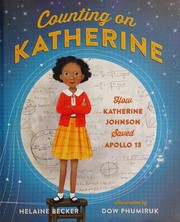 Counting on KatherineHelaine BeckerAn uplifting, educational journey that celebrates the boundless curiosity and heroic intellect of a groundbreaking mathematician.
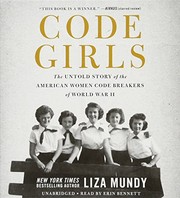 Code girlsLiza MundyAn inspiring, bustling journey into the secret rooms where brilliant women quietly changed the course of history.
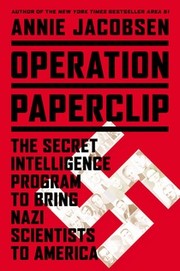 Operation paperclipAnnie JacobsenA chilling, meticulously documented descent into the moral compromises that built the modern American military-industrial complex.
 An Astronauts Guide to Life on EarthChris HadfieldA masterclass in extreme preparation that somehow leaves you feeling profoundly calm and deeply appreciative of ordinary life.
 Warriors Don't CryMelba Patillo BealsA harrowing, deeply personal memoir that plunges you into the terrifying and triumphant reality of a teenager on the front lines of history.
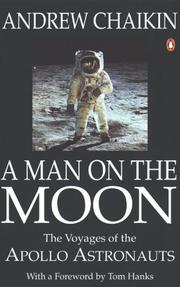 A Man on the MoonAndrew ChaikinAn intimate, awe-inspiring journey that puts you inside the minds and spacesuits of the first humans to leave our world.