Books › Operation paperclip

Operation paperclip
832 pages
A chilling, meticulously documented descent into the moral compromises that built the modern American military-industrial complex.
What it feels like
Reading this book feels like unlocking a classified vault and slowly realizing the horrifying cost of the secrets inside. Jacobsen crafts a narrative that is as brisk and gripping as a Cold War espionage thriller, yet anchored by an unsettling, meticulously documented reality. The atmosphere is shadowy and morally suffocating, forcing the reader to sit with the profound discomfort of American pragmatism colliding with unspeakable atrocities. Her prose is sharp, objective, and relentlessly detailed, refusing to look away from the darkest corners of government complicity. It is a deeply chilling experience that leaves a lingering sense of dread and outrage. This is a must-read for those who devour investigative history and are unafraid to confront the deeply compromised foundations of modern technological supremacy.
- Mood
- shadowy
- unsettling
- tense
- morally murky
- Tone
- journalistic
- probing
- chilling
- authoritative
- Pace
- brisk
- Themes
- moral compromise · government secrecy · the cost of progress · pragmatism vs. ethics · the banality of evil
- The writing
- Sharp, heavily documented, and relentlessly paced, reading more like an espionage thriller than a dry history text.
- The arc
- Moves from historical curiosity to a deep, lingering sense of moral outrage and unease.
- Who it's for
- Readers who crave deep, investigative dives into government secrets and are willing to confront complex moral gray areas.
Content notes
- war crimes
- Holocaust references
- human experimentation
- anti-Semitism
- mass murder
About the book
In the chaos following World War II, the U.S. government faced many difficult decisions, including what to do with the Third Reich's scientific minds. These were the brains behind the Nazis' once-indomitable war machine. So began Operation Paperclip, a decades-long, covert project to bring Hitler's scientists and their families to the United States.
Many of these men were accused of war crimes, and others had stood trial at Nuremberg; one was convicted of mass murder and slavery. They were also directly responsible for major advances in rocketry, medical treatments, and the U.S. space program. Was Operation Paperclip a moral outrage, or did it help America win the Cold War?
Drawing on exclusive interviews with dozens of Paperclip family members, colleagues, and interrogators, and with access to German archival documents (including previously unseen papers made available by direct descendants of the Third Reich's ranking members), files obtained through the Freedom of Information Act, and dossiers discovered in government archives and at Harvard University, Annie Jacobsen follows more than a dozen German scientists through their postwar lives and into a startling, complex, nefarious, and jealously guarded government secret of the twentieth century.
In this definitive, controversial look at one of America's most strategic, and disturbing, government programs, Jacobsen shows just how dark government can get in the name of national security.
Description from Open Library.
Books like Operation paperclip
See why they match BlowbackSimpson, Christopher.A chilling, meticulously documented descent into the shadowy compromises made at the dawn of the Cold War.
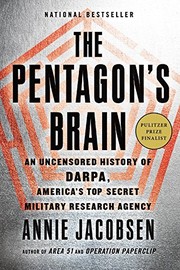 The Pentagon's Brain: An Uncensored History of DARPA, America's Top-Secret Military Research AgencyAnnie JacobsenA gripping, real-life sci-fi thriller that pulls back the curtain on the shadowy intersection of cutting-edge science and military supremacy.
 Area 51Annie JacobsenA gripping, declassified journey into the heart of America's most famous shadow-world.
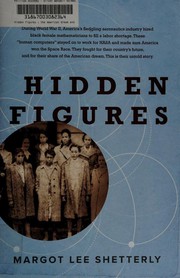 Hidden FiguresMargot Lee ShetterlyAn inspiring, intellectually thrilling journey alongside the brilliant minds who defied gravity and systemic prejudice to change the course of history.
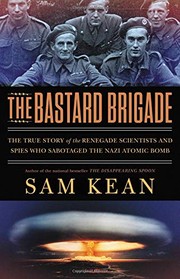 The Bastard BrigadeSam KeanA high-stakes historical thriller where rogue scientists and spies race against time to stop a nuclear apocalypse.
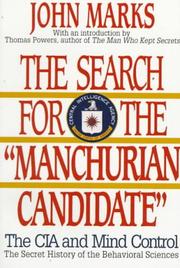 The search for the "Manchurian candidate"John MarksA chilling, investigative plunge into the darkest, most secretive corners of government-sponsored psychological manipulation.