Books › Hocus Pocus

Hocus Pocus
368 pages
A darkly comic, fragmented reflection on an American life tumbling toward the apocalypse.
What it feels like
Reading this feels like sitting across from a brilliant, exhausted veteran as he shuffles a deck of index cards, each containing a fragmented memory of a doomed American century. The narrative meanders through time, delivering punchy, aphoristic observations that are simultaneously hilarious and deeply bleak. The prose is deceptively simple, broken into bite-sized chunks that make the pages fly by even as the atmosphere grows increasingly apocalyptic. It is a mood of wry resignation, steeped in the absurdity of war, class divides, and the illusion of free will. Fans of dark, cynical satire who enjoy laughing into the void will devour this melancholic yet sharply witty reflection on the unraveling of the modern world.
- Mood
- absurd
- apocalyptic
- reflective
- bleak
- Tone
- wry
- cynical
- satirical
- melancholic
- conversational
- Pace
- meandering
- Themes
- absurdity of war · decline of empire · illusion of free will · burden of memory · class inequality
- The writing
- Fragmented, conversational, and deceptively simple, punctuated by sharp, aphoristic observations.
- The arc
- Moves from detached, cynical observation of a crumbling world to a quiet, resigned acceptance of human folly.
- Who it's for
- Readers who appreciate dark satire, non-linear storytelling, and laughing into the void of societal collapse.
Content notes
- war violence
- racism
- sexual content
- incarceration
About the book
Eugene Debs Hartke is a Vietnam veteran, jazz pianist, college professor, and prognosticator of the apocalypse.
Description from Open Library.
Books like Hocus Pocus
See why they match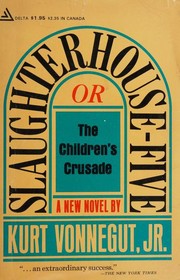 Slaughterhouse-FiveKurt VonnegutA darkly comic, time-jumping exploration of trauma that laughs in the face of cosmic absurdity.
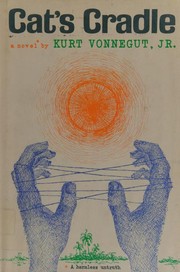 Cat's CradleKurt VonnegutA darkly hilarious, bite-sized spiral into the inevitable end of the world.
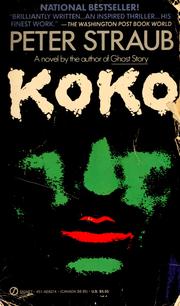 KokoPeter StraubA harrowing, globe-spanning descent into the psychological wreckage of war and the inescapable ghosts of shared trauma.
 Closing timeJoseph HellerA darkly funny, sprawling meditation on getting old in a world that has lost its mind.
 California bonesGreg Van EekhoutA gritty, sun-baked magical heist where a ragtag crew consumes the bones of mythical creatures to steal back their future.
 PeaceGene WolfeA labyrinthine, deceptive memoir that slowly reveals itself to be a chilling ghost story built entirely from the architecture of memory.