Books › How Linux Works

How Linux Works
First published 2004 · 392 pages
A patient, empowering journey under the hood of your computer, turning intimidating complexity into logical, masterable systems.
What it feels like
Reading this book feels like being handed the master keys to a complex, sprawling machine by a patient and deeply knowledgeable mentor. The pace is steady and deliberate, designed not for skimming but for active, focused absorption. Instead of dry, rote memorization, the atmosphere is one of continuous illumination—peeling back the opaque layers of modern computing to reveal the elegant, logical systems humming beneath. The prose is remarkably clear, stripping away unnecessary jargon to make dense technical architecture feel accessible and intuitive. It is a deeply empowering experience, transforming the reader from a passive user into a confident mechanic. This is the perfect companion for curious tinkerers and tech enthusiasts who refuse to treat their computers like magic boxes.
- Mood
- focused
- illuminating
- empowering
- structured
- Tone
- instructive
- patient
- authoritative
- demystifying
- pragmatic
- Pace
- steady
- Themes
- mastery through understanding · peeling back the curtain · taking control · the beauty of systems
- The writing
- Clear, accessible, and highly structured, breaking down dense technical architecture into patient, digestible explanations.
- The arc
- Moves from a state of intimidated curiosity to a feeling of confident, empowered mastery over complex systems.
- Who it's for
- Curious tinkerers, aspiring sysadmins, and tech enthusiasts who crave a deep, foundational understanding of the tools they use.
About the book
Unlike some operating systems, Linux doesn’t try to hide the important bits from you—it gives you full control of your computer. But to truly master Linux, you need to understand its internals, like how the system boots, how networking works, and what the kernel actually does.
In this completely revised second edition of the perennial best seller How Linux Works, author Brian Ward makes the concepts behind Linux internals accessible to anyone curious about the inner workings of the operating system. Inside, you’ll find the kind of knowledge that normally comes from years of experience doing things the hard way. You’ll learn: –How Linux boots, from boot loaders to init implementations (systemd, Upstart, and System V) –How the kernel manages devices, device drivers, and processes –How networking, interfaces, firewalls, and servers work –How development tools work and relate to shared libraries –How to write effective shell scripts
You’ll also explore the kernel and examine key system tasks inside user space, including system calls, input and output, and filesystems. With its combination of background, theory, real-world examples, and patient explanations, How Linux Works will teach you what you need to know to solve pesky problems and take control of your operating system.
Description from Open Library.
Books like How Linux Works
See why they match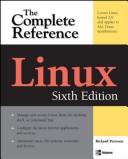 LinuxPetersen, RichardAn exhaustive, no-nonsense technical companion that transforms a sprawling operating system into a manageable, logical landscape.
 Linux Kernel DevelopmentRobert LoveA clear, pragmatic descent into the beating heart of the world's most ubiquitous operating system.
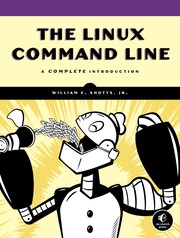 The Linux Command LineWilliam E. ShottsA friendly, empowering guide that transforms the intimidating black screen of the terminal into a familiar and powerful workspace.
 Operating SystemsAndrew S. Tanenbaum and Albert S. WoodhullA methodical, illuminating descent into the very bedrock of modern computing, turning abstract theory into tangible code.
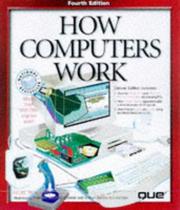 How computers workRon WhiteA visual and accessible journey into the microscopic cities of silicon and wire that power our digital lives.
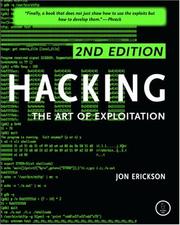 HackingJon EricksonA hands-on, deep-dive into the elegant, hidden mechanics of computer systems and the creative art of breaking them.