Books › Linux

Linux
The Complete Reference
First published 1996 · 1257 pages
An exhaustive, no-nonsense technical companion that transforms a sprawling operating system into a manageable, logical landscape.
What it feels like
Reading this book feels less like a linear journey and more like exploring a vast, meticulously organized warehouse of knowledge. It is a heavy, reassuring presence on the desk, offering a deeply pragmatic and studious atmosphere. The text is dense and uncompromisingly utilitarian, demanding focus but rewarding it with absolute clarity and technical empowerment. You do not read it to be entertained; you consult it to conquer a problem, to demystify a complex server deployment, or to master the command line. It delights the tinkerer, the system administrator, and the curious developer who finds comfort in exhaustive detail, structured logic, and the quiet satisfaction of finally making a stubborn piece of software work exactly as intended.
- Mood
- studious
- focused
- utilitarian
- Tone
- authoritative
- instructional
- objective
- pragmatic
- Pace
- steady
- Themes
- technical mastery · problem-solving · system architecture · empowerment through knowledge
- The writing
- Dense, highly structured, and strictly utilitarian, prioritizing clarity and accuracy over stylistic flair.
- The arc
- The reader transitions from facing an intimidatingly complex system to feeling equipped, capable, and in control.
- Who it's for
- System administrators, developers, and dedicated tinkerers who want an exhaustive, reliable desk reference to anchor their technical work.
About the book
Your one-stop guide to Linux--fully revised and expandedGet in-depth coverage of all Linux features, tools, and utilities from this thoroughly updated and comprehensive resource, designed for all Linux distributions. Written by Linux expert Richard Petersen, this book explains how to get up-and-running on Linux, use the desktops and shells, manage applications, deploy servers, implement security measures, and handle system and network administration tasks. With full coverage of the latest platform, Linux: The Complete Reference, Sixth Edition includes details on the very different and popular Debian (Ubuntu) and Red Hat/Fedora software installation and service management tools used by most distributions. This is a must-have guide for all Linux users. Install, configure, and administer any Linux distributionWork with files and folders from the BASH, TCSH, and Z shellsUse the GNOME and KDE desktops, X Windows, and display managersSet up office, database, Internet, and multimedia applicationsSecure data using SELinux, netfilter, SSH, and KerberosEncrypt network transmissions with GPG, LUKS, and IPsec Deploy FTP, Web, mail, proxy, print, news, and database serversAdminister system resources using HAL, udev, and virtualization (KVM and Xen)Configure and maintain IPv6, DHCPv6, NIS, networking, and remote accessAccess remote files and devices using NFSv4, GFS, PVFS, NIS, and SAMBA
Description from Open Library.
Books like Linux
See why they match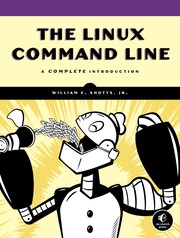 The Linux Command LineWilliam E. ShottsA friendly, empowering guide that transforms the intimidating black screen of the terminal into a familiar and powerful workspace.
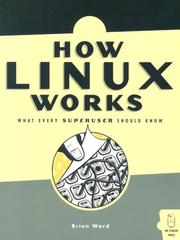 How Linux WorksBrian WardA patient, empowering journey under the hood of your computer, turning intimidating complexity into logical, masterable systems.
 Linux Kernel DevelopmentRobert LoveA clear, pragmatic descent into the beating heart of the world's most ubiquitous operating system.
 Linux Basics for HackersOccupyTheWebA pragmatic, hands-on initiation into the underground world of the command line, turning intimidation into empowerment.
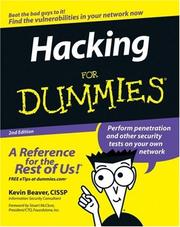 Hacking for DummiesKevin BeaverAn approachable, jargon-free guide that turns the intimidating world of cybersecurity into an empowering toolkit for digital self-defense.
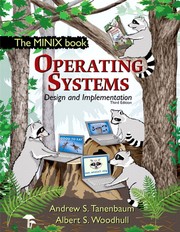 Operating SystemsAndrew S. Tanenbaum and Albert S. WoodhullA methodical, illuminating descent into the very bedrock of modern computing, turning abstract theory into tangible code.