Books › How to Avoid a Climate Disaster
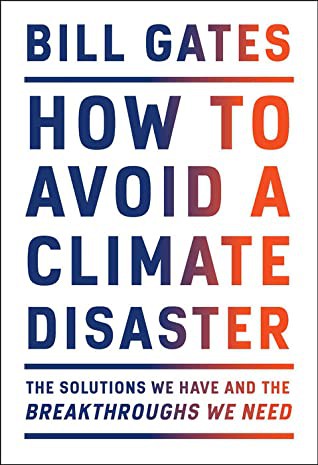
How to Avoid a Climate Disaster
380 pages
A clear-eyed, deeply pragmatic roadmap out of the climate crisis that trades doomsday panic for actionable, systems-level optimism.
What it feels like
Reading this book feels like sitting down with a patient, highly resourced tutor who wants to help you untangle the world's most complex knot. It trades the familiar, dread-soaked atmosphere of climate literature for a steady, methodical, and surprisingly comforting focus on engineering and economics. The prose is exceptionally clear, breaking down massive, paralyzing concepts like global energy grids and agricultural supply chains into a digestible, actionable ledger. There is an earnest, pragmatic optimism that permeates every chapter, shifting the reader's internal state from overwhelmed anxiety to grounded determination. It will deeply satisfy the pragmatist: the reader who wants to look past political rhetoric and understand exactly how human ingenuity, policy, and technology can be rewired to save the planet.
- Mood
- clear-eyed
- solution-oriented
- urgent
- hopeful
- Tone
- pragmatic
- optimistic
- analytical
- accessible
- earnest
- Pace
- steady
- Themes
- technological innovation · systemic change · pragmatic optimism · global responsibility · the scale of human impact
- The writing
- Clear, conversational, and highly structured, translating complex scientific and economic data into digestible, plain-spoken English.
- The arc
- Moves from a daunting confrontation with the sheer scale of the crisis to a grounded, determined hope fueled by concrete solutions.
- Who it's for
- Pragmatists and environmentally conscious readers seeking actionable, systems-level solutions rather than doomsday rhetoric.
Content notes
- climate anxiety
- existential threat
About the book
"Bill Gates shares what he's learned in more than a decade of studying climate change and investing in innovations to address the problems, and sets out a vision for how the world can build the tools it needs to get to zero greenhouse gas emissions. Bill Gates explains why he cares so deeply about climate change and what makes him optimistic that the world can avoid the most dire effects of the climate crisis. Gates says, "We can work on a local, national, and global level to build the technologies, businesses, and industries to avoid the worst impacts of climate change." His interest in climate change is a natural outgrowth of the efforts by his foundation to reduce poverty and disease. Climate change, according to Gates, will have the biggest impact on the people who have done the least to cause it. As a technologist, he has seen firsthand how innovation can change the world. By investing in research, inventing new technologies, and by deploying them quickly at large scale, Gates believes climate change can be addressed in meaningful ways. According to Gates, "to prevent the worst effects of climate change, we have to get to net-zero emissions of greenhouse gases. This problem is urgent, and the debate is complex, but I believe we can come together to invent new carbon-zero technologies, deploy the ones we have, and ultimately avoid a climate catastrophe""--
After more than a decade of studying climate change and investing in innovations to address the problems, Gates sets out a vision for how the world can build the tools it needs to get to zero greenhouse gas emissions. He explains why he is optimistic that the world can avoid the most dire effects of the climate crisis, and discusses how climate change can be addressed in meaningful ways. -- adapted from jacket
Description from Open Library.
Books like How to Avoid a Climate Disaster
See why they match The Uninhabitable EarthDavid Wallace-WellsA relentless, white-knuckled plunge into the terrifying realities of our climate future that demands you look away from nothing.
 DrawdownPaul HawkenA pragmatic and deeply hopeful blueprint that cures climate despair with actionable, data-driven solutions.
 Losing EarthNathaniel RichA gripping, infuriating historical thriller about the decade we almost saved the world, and the human flaws that stopped us.
 Termination ShockNeal StephensonA sprawling, sweltering geopolitical thriller that wrestles with the terrifying, awe-inspiring hubris of trying to hack the planet's climate.
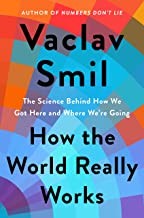 How the World Really WorksVaclav SmilA bracing, data-drenched cold plunge into the physical realities and hidden infrastructures that keep modern civilization running.
 Under a White SkyElizabeth KolbertA wry, sobering travelogue through the bizarre, highly engineered landscapes of the Anthropocene.