Books › How to Be Both
Women's Prize for Fiction 2015
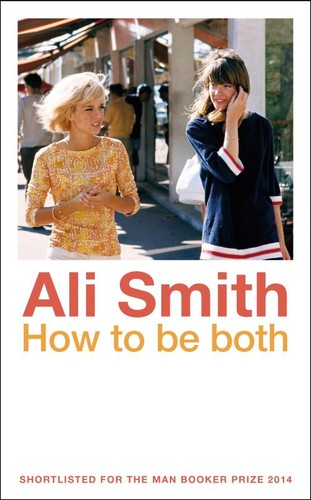
How to Be Both
384 pages
A playful, luminous meditation on art, grief, and the fluid nature of time and identity.
What it feels like
Reading this novel feels like stepping into a Renaissance fresco where the paint is still wet and the subjects are whispering directly into your ear. It is a brilliantly inventive, dual-structured experience that asks you to surrender to its rhythmic, stream-of-consciousness flow. The atmosphere is both deeply melancholic and vibrantly alive, balancing the heavy, disorienting ache of a teenager mourning her mother with the cheeky, transcendent perspective of a fifteenth-century painter. The prose is a marvel of linguistic acrobatics, full of puns, poetry, and breathless observations about how the past bleeds into the present. It will utterly delight readers who love literary puzzles, art history, and stories that prove love and art can collapse the boundaries of time.
- Mood
- dreamy
- contemplative
- bittersweet
- luminous
- Tone
- playful
- inquisitive
- tender
- erudite
- wry
- Pace
- brisk
- Themes
- grief and memory · fluidity of gender · transcendent power of art · mother-daughter bonds · duality of existence
- The writing
- Lyrical, experimental, and conversational, filled with rhythmic wordplay and fluid stream-of-consciousness.
- The arc
- Moves from the disorientation of sudden loss and historical displacement toward a profound, comforting sense of timeless connection.
- Who it's for
- Readers who delight in structural experimentation, art history, and deeply empathetic, boundary-pushing literary fiction.
Content notes
- grief
- death of a parent
About the book
This is a novel all about art's versatility. Borrowing from painting's fresco technique to make an original literary double-take, it's a fast-moving genre-bending conversation between forms, times, truths, and fictions. There's a renaissance artist of the 1460s. There's the child of a child of the 1960s. Two tales of love and injustice twist into a singular yarn where time gets timeless, structural gets playful, knowing gets mysterious, fictional gets real - and all life's givens get given a second chance.
Description from Open Library.
Books like How to Be Both
See why they match AutumnAli SmithA fragmented, poetic meditation on time, art, and friendship set against the backdrop of a fractured modern world.
 This is how it always isLaurie FrankelA big-hearted, messy, and deeply tender exploration of how far parents will go to protect their child's right to simply be.
 ArtfulAli SmithA ghostly, genre-defying conversation about love, loss, and the literature that keeps us alive.
 The cost of livingDeborah LevyA vibrant, urgent reflection on dismantling the social hierarchies that diminish women, in pursuit of a life lived with meaning, pleasure, and ultimate freedom.
 The chronology of waterLidia YuknavitchA raw, untraditional plunge into grief, fluid sexuality, and the fierce current of survival.
 The MothersBrit BennettA lyrical, sun-drenched exploration of how the secrets we keep in our youth become the ghosts that haunt our adulthood.