Books › How to write a play
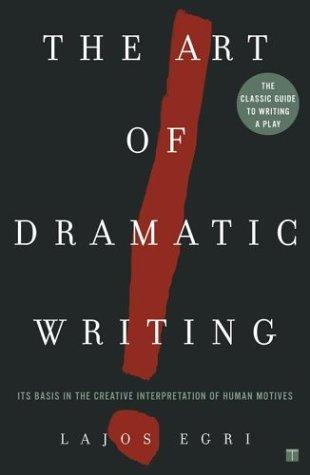
How to write a play
First published 1942 · 334 pages
A masterclass in storytelling that strips away the mystery of plot to reveal the beating, conflicted heart of human nature.
What it feels like
Reading this classic craft book feels like sitting in a masterclass with a brilliant, slightly demanding professor who refuses to let you settle for superficial storytelling. The pace is steady and methodical, building a rock-solid foundation of premise, character, and conflict. It doesn't just teach you how to write; it fundamentally changes how you observe human behavior. The mood is intensely focused and illuminating, stripping away the intimidating mystique of plot to reveal that character is destiny. Egri's prose is forceful, direct, and refreshingly free of modern jargon, relying instead on timeless examples from Shakespeare and Ibsen. It is an essential, empowering read for any writer craving a deeper understanding of psychological truth and dramatic architecture.
- Mood
- intellectual
- inspiring
- focused
- illuminating
- Tone
- authoritative
- passionate
- analytical
- direct
- didactic
- Pace
- steady
- Themes
- mechanics of human nature · inevitability of conflict · character as destiny · architecture of storytelling · psychological truth
- The writing
- Forceful, direct, and refreshingly free of modern jargon, relying heavily on classical literary examples to make its points.
- The arc
- Moves from a sense of overwhelming mystery regarding story construction to a feeling of empowered, structural clarity.
- Who it's for
- Writers of all stripes who want to understand the deep psychological roots of character-driven conflict.
About the book
Among the many "how-to" playwriting books that have appeared over the years, there have been few that attempt to analyze the mysteries of play construction. Lajos Egri's classic does just that, with instruction that can be applied equally well to a short story, novel, or screenplay. Examining a play from the inside out, Egri starts with the heart of any drama: its characters. All good dramatic writing hinges on people and their relationships, which serve to move the story forward and give it life, as well as an understanding of human motives--why people act the way that they do. Using examples from everything from William Shakespeare's Romeo and Juliet to Henrik Ibsen's A Doll 's House, Egri shows how it is essential for the author to have a basic premise--a thesis, demonstrated in terms of human behavior--and to develop the dramatic conflict on the basis of that behavior. Using Egri's ABCs of premise, character, and conflict, The Art of Dramatic Writing is a direct, jargon-free approach to the problem of achieving truth in writing.--Back cover of paperback reprint.
Description from Open Library.
Books like How to write a play
See why they match A handbook for the study of dramaAltenbernd & LewisA quiet, methodical journey into the architectural blueprints of theatrical storytelling.
 StoryRobert McKeeA rigorous, passionate masterclass that dismantles the mechanics of narrative to reveal the beating heart of human storytelling.
 The actor's art and craftWilliam Esper and Damon DimarcoStep inside the classroom of a master acting teacher and discover how rigorous discipline unlocks profound creative freedom.
 Romeo and JulietWilliam ShakespeareA feverish, breathless rush of first love that burns too bright and crashes into inevitable heartbreak.
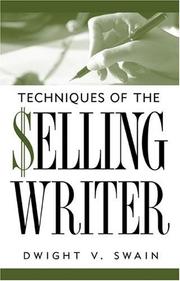 Techniques of the Selling WriterDwight V. SwainA pragmatic, nuts-and-bolts guide that demystifies the mechanics of writing compelling fiction.
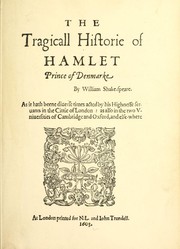 HamletWilliam ShakespeareA claustrophobic plunge into the mind of a grieving son paralyzed by the weight of his own thoughts.