Books › Story

Story
Substance, Structure, Style and the Principles of Screenwriting
First published 2006 · 550 pages
A rigorous, passionate masterclass that dismantles the mechanics of narrative to reveal the beating heart of human storytelling.
What it feels like
Reading this book feels like sitting in the front row of a masterclass taught by a brilliant, uncompromising professor who refuses to let you settle for mediocrity. The pace is steady and demanding, requiring you to pause, reflect, and mentally dismantle your favorite films as you read. It eschews cheap formulas in favor of a rigorous, deeply intellectual exploration of why stories resonate on a human level. The mood is intense but profoundly inspiring, wrapping the reader in an atmosphere of dedicated craftsmanship. The forceful, declarative prose challenges you to elevate your work from mere typing to true architectural design. It is an essential, empowering experience for any writer or cinephile who wants to understand the invisible scaffolding that holds our greatest myths together.
- Mood
- intellectual
- rigorous
- inspiring
- focused
- Tone
- authoritative
- passionate
- analytical
- uncompromising
- didactic
- Pace
- steady
- Themes
- the architecture of narrative · truth through fiction · the psychology of audience engagement · the discipline of craft
- The writing
- Forceful, declarative, and highly structured, the prose reads like a passionate, uncompromising lecture from a master teacher.
- The arc
- The reader moves from feeling intimidated by the vastness of narrative possibility to feeling empowered by a profound understanding of its underlying architecture.
- Who it's for
- Writers, filmmakers, and dedicated storytellers who crave a deep, philosophical breakdown of narrative mechanics rather than quick-fix formulas.
About the book
For the first time in book form, Robert McKee's Story reveals the award-winning methods of the man universally regarded as the world's premier screenwriting teacher. For more than 17 years, Robert McKee's students have been taking Hollywood's top honors. His Story Structure seminar is the ultimate class for screenwriters and filmmakers, playing to packed auditoriums across the world and boasting more than 35,000 graduates. With Hollywood currently paying record sums for great stories -- and audiences clamoring for originality -- this book is the weapon you need to win the war on clichés and to get your story from page to screen. Unlike other popular approaches to screenwriting, Story is about form, not formula. Employing examples from more than 100 films, McKee imparts a philosophy that reaches beyond rigid rules to identify the more elusive components that distinguish quality stories from the rest of the pack. Beginning with basic definitions (What is a beat? A scene? A scene sequence? An act climax? A film climax?), McKee not only brilliantly unravels the mysteries of standard three-act dramatic structures but also demystifies atypical structures such as two-act, seven-act, and even eight-act films, exposing the limitations of each genre; spotlighting the importance of theme, setting, and atmosphere; and highlighting the importance of character versus characterization. But this book goes well beyond the essential mechanics of screenwriting. From concept through final manuscript, Story elevates writing from an intellectual exercise to an emotional one, transforming the craft of screenwriting into an art form by carefully exploring the subtler considerations at work in film, such as the nature of irony and the symbolic power of image systems. Packed with examples from such film classics as Casablanca and Chinatown, McKee expertly dissects classic scenes, guiding us step-by-step as only he can to reveal not only how a scene works but why it works, getting beyond the fundamentals of composition to the enduring values and conflicts that separate the classics from the clichés. This insightful, practical book has become the gospel for screenwriters everywhere. Hollywood studios don't buy great ideas -- they buy great stories that can capture an audience's imagination. And no one has helped more writers turn great ideas into great stories into great screenplays than Robert McKee. - Jacket flap.
Description from Open Library.
Books like Story
See why they match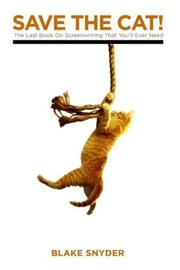 Save the cat!Blake SnyderA fast-talking, highly pragmatic Hollywood mentor hands you the ultimate cheat sheet for making your story work.
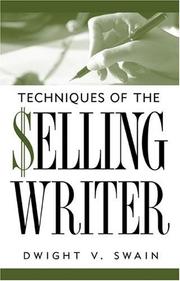 Techniques of the Selling WriterDwight V. SwainA pragmatic, nuts-and-bolts guide that demystifies the mechanics of writing compelling fiction.
 Understanding ComicsScott McCloudA playful, mind-expanding masterclass in visual storytelling that fundamentally changes how you look at art, time, and human communication.
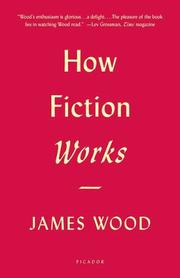 How fiction worksJames WoodAn illuminating masterclass that permanently alters the way you experience the architecture of a sentence.
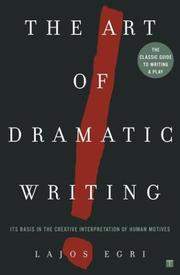 How to write a playLajos EgriA masterclass in storytelling that strips away the mystery of plot to reveal the beating, conflicted heart of human nature.
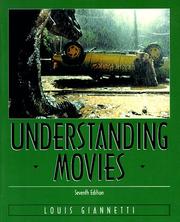 Understanding moviesLouis D. GiannettiAn illuminating masterclass that forever changes how you watch the silver screen.