Books › How We Die
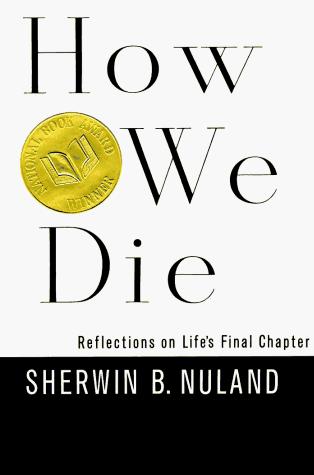
How We Die
Reflections on Life's Final Chapter
First published 1994 · 450 pages
An unflinching, deeply compassionate look at the biological realities of our final moments, stripping away the myths of mortality to offer a profound sense of peace.
What it feels like
Reading this book feels like sitting with a wise, deeply experienced physician who refuses to sugarcoat the truth but holds your hand while delivering it. The pace is steady and deliberate, moving through the clinical realities of various diseases with an unflinching yet profoundly compassionate gaze. It creates a somber but strangely comforting atmosphere, replacing the terrifying unknown of mortality with grounded, biological reality. The prose is precise and medically informed, yet it never loses sight of the human stories at the center of the science. It is a book for those who find solace in facts and seek to demythologize the end of life, offering an emotional journey that shifts from dread to a clear-eyed, quiet acceptance of our shared human fate.
- Mood
- somber
- contemplative
- grounded
- intimate
- Tone
- compassionate
- unflinching
- clinical
- philosophical
- earnest
- Pace
- steady
- Themes
- the physical reality of mortality · demythologizing death · the limits of medicine · acceptance of the inevitable · medical ethics
- The writing
- Precise and medically informed, blending clinical detail with deeply empathetic humanistic storytelling.
- The arc
- Moves from a natural apprehension of the unknown to a grounded, clear-eyed acceptance of biological reality.
- Who it's for
- Readers seeking a realistic, unsentimental, yet deeply humane understanding of mortality and the physical processes of the end of life.
Content notes
- terminal illness
- medical descriptions of death
- aging
- grief
- cancer
- Alzheimer's disease
About the book
There is a vast literature on death and dying, but there are few reliable accounts of the ways in which we die. The intimate account of how various diseases take away life, offered in How We Die, is not meant to prompt horror or terror but to demythologize the process of dying to help us rid ourselves of that fear of the terra incognita.
Though the avenues of death - AIDS, cancer, heart attack, Alzheimer's, accident, and stroke - are common, each of us will die in a way different from any that has gone before. Each one of death's diverse appearances is as distinctive as that singular face we each show during our lives. Behind each death is a story.
In How We Die, Sherwin B. Nuland, a surgeon and teacher of medicine, tells some stories of dying that reveal not only why someone dies but how. He offers a portrait of the experience of dying that makes clear the choices that can be made to allow each of us his or her own death.
Description from Open Library.
Books like How We Die
See why they match MortalityChristopher HitchensA razor-sharp, unsentimental dispatch from the borderlands of terminal illness, written by a fierce intellect refusing to go quietly.
 Being MortalAtul GawandeA compassionate, clear-eyed exploration of how to find meaning and dignity when the body begins to fail.
 How not to dieJan GaravagliaA morbidly fascinating, tough-love guide to staying alive, delivered straight from the autopsy table.
 GratitudeOliver SacksA luminous, clear-eyed meditation on facing the end of life with profound thankfulness and scientific wonder.
 The Tibetan book of living and dyingSogyal RinpocheA gentle, profound exploration that transforms the universal fear of mortality into a spacious appreciation for the present moment.
 Not fade awayLaurence ShamesAn intimate, spirited reflection on facing mortality with the volume turned all the way up.