Books › I saw Ramallah

I saw Ramallah
First published 2000 · 290 pages
A deeply humane and poetic reflection on the profound disorientation of exile and the bittersweet reality of returning to an unrecognizable homeland.
What it feels like
Reading this book feels like walking alongside a poet as they sift through the fragmented memories of a lost home. The pace is steady and contemplative, allowing the reader to fully absorb the melancholic and nostalgic atmosphere of displacement. It is a deeply humane exploration of what it means to be a refugee, suspended between the idealized memory of a homeland and its unrecognizable present reality. The prose is lyrical and reflective, carrying a tone of both profound lamentation and quiet resilience. It will deeply resonate with readers who gravitate toward thoughtful, emotionally textured accounts of exile, identity, and the enduring human need for a place to belong.
- Mood
- melancholic
- nostalgic
- somber
- contemplative
- Tone
- reflective
- lamenting
- humane
- resilient
- Pace
- steady
- Themes
- exile and displacement · memory versus reality · loss of homeland · identity and belonging
- The writing
- Written by a poet, the prose is deeply reflective, sifting through layers of memory with lyrical lamentation and humane observation.
- The arc
- Moves from the profound disorientation of prolonged exile to a poignant, resilient confrontation with a changed homeland.
- Who it's for
- Readers who appreciate deeply reflective, poetic explorations of exile, memory, and the complex realities of displacement.
Content notes
- displacement
- exile
- grief
- war aftermath
About the book
Barred from his homeland after 1967's Six-Day War, the poet Mourid Barghouti spent thirty years in exile, shuttling among the world's cities, yet secure in none of them; separated from his family for years at a time; never certain whether he was a visitor, a refugee, a citizen, or a guest. As he returns home for the first time since the Israeli occupation, Barghouti crosses a wooden bridge over the Jordan River into Ramallah and is unable to recognize the city of his youth. Sifting through memories of the old Palestine as they come up against what he now encounters in this mere "idea of Palestine", he discovers what it means to be deprived not only of a homeland but of "the habitual place and status of a person." A tour de force of memory and reflection, lamentation and resilience, I saw Ramallah is a deeply humane book, essential to any balanced understanding of today's Middle East.
Description from Open Library.
Books like I saw Ramallah
See why they match After the last skyEdward W. SaidA haunting, beautifully fragmented meditation on exile, memory, and the enduring humanity of a displaced people.
 Unfortunately, It Was ParadiseMaḥmūd DarwīshA sweeping, career-spanning collection that captures the soulful and evolving voice of a literary legend.
 Minor DetailAdania ShibliA stark, devastating diptych that excavates the buried traumas of history through meticulous, suffocating prose.
 The Butterfly's BurdenMa?m?d Darw?shA luminous, aching meditation on exile, love, and the fragile beauty of memory.
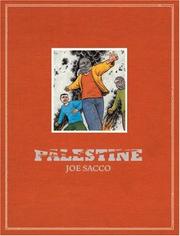 PalestineJoe SaccoA groundbreaking work of comics journalism that plunges you into the gritty, daily reality of life under occupation.
 Against the Loveless WorldSusan AbulhawaA fierce, unflinching portrait of a woman claiming her own agency and capacity for love amidst the brutal machinery of displacement and occupation.