Books › Information Doesn't Want to Be Free
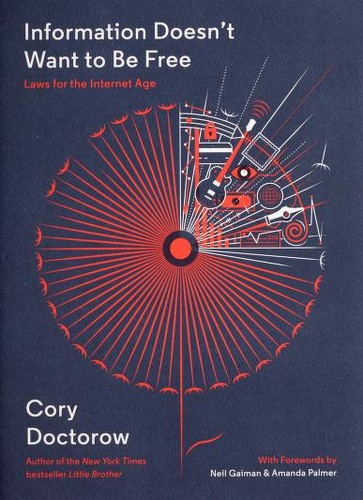
Information Doesn't Want to Be Free
192 pages
A passionate, pragmatic manifesto for surviving and thriving as a creator in the digital age.
What it feels like
Reading this book feels like sitting down for a coffee with your most tech-savvy, fiercely independent friend who desperately wants you to succeed. It moves at a brisk clip, stripping away the dense legalese of copyright law to reveal the raw, beating heart of internet culture and artistic survival. The mood is urgent yet deeply optimistic, replacing the dread of corporate monopolies with a pragmatic, empowering roadmap for creators. The prose is sharp, conversational, and relentlessly accessible, translating complex digital rights issues into punchy, memorable arguments. It is a perfect read for artists, writers, and digital citizens who want to understand the invisible architecture of the internet and reclaim their creative agency without succumbing to the fearmongering of legacy industries.
- Mood
- intellectual
- forward-looking
- empowering
- rebellious
- Tone
- passionate
- pragmatic
- conversational
- urgent
- persuasive
- Pace
- brisk
- Themes
- creative survival · technological inevitability · corporate overreach · artistic freedom · the illusion of control
- The writing
- Sharp, accessible, and highly conversational, blending tech-savvy analogies with impassioned advocacy.
- The arc
- Moves from righteous frustration with broken legacy systems to a pragmatic, empowering vision for the future of creativity.
- Who it's for
- Creators, tech enthusiasts, and internet citizens who want to understand how to make art and money without selling out to digital monopolies.
About the book
Information Doesn't Want to Be Free takes on the state of copyright and creative success in the digital age. Can small artists still thrive in the Internet era? Can giant record labels avoid alienating their audiences? This is a book about the pitfalls and the opportunities that creative industries (and individuals) are confronting today -- about how the old models have failed or found new footing, and about what might soon replace them. Information Doesn't Want to Be Free offers a guide to the ways creativity and the Internet interact today, and to what might be coming next.
Description from Open Library.
Books like Information Doesn't Want to Be Free
See why they match ContentCory DoctorowAn impassioned, geeky manifesto for the open internet that feels like a late-night debate with a brilliant hacker.
 Free cultureLawrence LessigAn impassioned, accessible manifesto that reframes how we think about art, ownership, and the future of the internet.
 Pirate CinemaCory DoctorowA kinetic, punk-rock love letter to internet freedom and the rebellious power of remix culture.
 Chokepoint CapitalismRebecca Giblin and Cory DoctorowA righteous, eye-opening dismantling of how tech monopolies squeeze creators, paired with a battle plan for taking the power back.
 RemixLawrence LessigAn incisive, thought-provoking exploration of how digital culture is fighting back against restrictive corporate copyright.
 How Music Got FreeStephen WittA cinematic, high-stakes deep dive into the underground subcultures and corporate hubris that accidentally broke the music industry.