Books › How Music Got Free
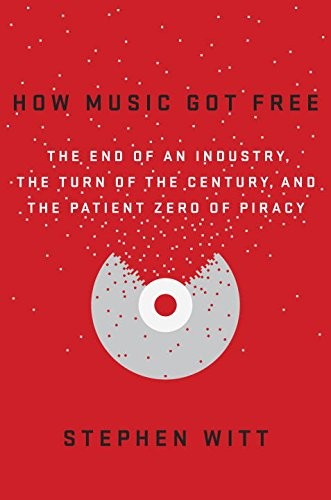
How Music Got Free
328 pages
A cinematic, high-stakes deep dive into the underground subcultures and corporate hubris that accidentally broke the music industry.
What it feels like
Reading this book feels like watching a high-stakes heist unfold in slow motion, where the vault being cracked is the entire global music industry. It moves with a propulsive, cinematic energy, weaving together the sterile labs of German audio engineers, the gritty floors of CD manufacturing plants, and the plush boardrooms of Manhattan executives. The mood is deeply nostalgic yet crackling with clandestine tension, capturing the wild-west feeling of the early internet. The prose is sharp and journalistic, effortlessly translating complex audio compression algorithms and corporate maneuvering into a gripping, character-driven thriller. It is a perfect match for readers who devour narrative nonfiction about tech, hubris, and the unintended consequences of innovation, offering a fascinating look at how a few obsessive individuals accidentally changed the world forever.
- Mood
- high-stakes
- clandestine
- energetic
- nostalgic
- Tone
- sharp
- investigative
- cinematic
- wry
- Pace
- propulsive
- Themes
- unintended consequences of innovation · underground subcultures · the illusion of corporate control · obsession and ingenuity · the dawn of the digital age
- The writing
- Sharp, journalistic, and highly narrative, weaving complex technical and business details into a seamless, thriller-like flow.
- The arc
- Moves from curious fascination with obscure tech to the breathless tension of a heist, culminating in a reflective awe at how quickly the world changed.
- Who it's for
- Anyone fascinated by internet history, corporate hubris, and narrative nonfiction that reads like a high-stakes heist.
Content notes
- corporate malfeasance
- illegal activities
About the book
This book is a riveting story of obsession, music, crime, and money, featuring visionaries and criminals, moguls and tech-savvy teenagers. It's about the greatest pirate in history, the most powerful executive in the music business, a revolutionary invention and an illegal website four times the size of the iTunes Music Store. Journalist Stephen Witt traces the secret history of digital music piracy, from the German audio engineers who invented the mp3, to a North Carolina compact-disc manufacturing plant where factory worker Dell Glover leaked nearly two thousand albums over the course of a decade, to the high-rises of midtown Manhattan where music executive Doug Morris cornered the global market on rap, and, finally, into the darkest recesses of the Internet. Through these interwoven narratives, Witt has written a thrilling book that depicts the moment in history when ordinary life became forever entwined with the world online -- when, suddenly, all the music ever recorded was available for free. Witt introduces the unforgettable characters -- inventors, executives, factory workers, and smugglers -- who revolutionized an entire artform, and reveals for the first time the secret underworld of media pirates that transformed our digital lives. - Publisher.
Description from Open Library.
Books like How Music Got Free
See why they match Information Doesn't Want to Be FreeCory DoctorowA passionate, pragmatic manifesto for surviving and thriving as a creator in the digital age.
 Digital goldNathaniel PopperA globe-trotting, character-driven deep dive into the chaotic frontier of decentralized money and the eccentric visionaries who built it.
 Perfecting Sound ForeverGreg MilnerA fascinating, century-spanning exploration of how technology has shaped the very nature of what we hear and believe to be real.
 The Master SwitchTim WuA sweeping, cautionary journey through the history of media that reveals how every open frontier of communication eventually falls to corporate empires.
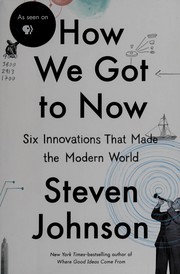 How we got to nowSteven JohnsonA thrilling intellectual treasure hunt that reveals the invisible threads connecting a glass of clean water to the invention of the microchip.
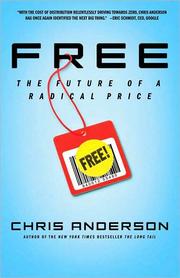 FreeChris AndersonA paradigm-shifting exploration of how the digital age turned a promotional gimmick into the bedrock of modern economics.