Books › Intimate matters

Intimate matters
First published 1988 · 530 pages
An illuminating, scholarly journey through the private lives and public battles that shaped American sexuality.
What it feels like
Reading this book feels like stepping into a meticulously curated archive of American private life, where diaries, letters, and court records are woven into a compelling historical tapestry. The pace is steady and deliberate, guiding the reader through the complex intersections of race, class, and gender without losing sight of the anonymous individuals at the heart of the narrative. The mood is serious and illuminating, shifting from the quiet intimacy of personal bedrooms to the loud, commercialized arenas of mass culture and political conflict. The prose balances scholarly rigor with narrative drive, making it accessible yet deeply analytical. It is a perfect fit for readers who crave nuanced social history and want to understand how deeply personal matters have historically shaped broad cultural and political landscapes.
- Mood
- reflective
- serious
- illuminating
- Tone
- scholarly
- analytical
- compelling
- nuanced
- Pace
- steady
- Themes
- evolution of sexual customs · intersection of race, class, and gender · commercialization of intimacy · sexuality as a political battleground
- The writing
- Scholarly yet compelling, weaving primary sources like diaries and court records into a cohesive historical narrative.
- The arc
- A journey from uncovering hidden, private histories to understanding the broad, public exploitation and political weaponization of intimacy.
- Who it's for
- Readers fascinated by the intersection of social history, politics, and the private lives of everyday Americans.
Content notes
- lynching
- slavery
- class inequality
- racial inequality
About the book
John D'Emilio and Estelle Freedman describe the different sexual worlds of plantation slaves, European immigrants, and the urban middle class, and how sexual matters moved from the privacy of the bedroom to its commercial exploitation and its entry into mass culture. The authors shed light on the complex nature of race, gender, and class inequality. They discuss such issues as white slavery and lynching, how sex has served as a symbol for a wide range of social problems, and how conflicts over sexuality have sometimes shaped the political and cultural contours of an era. D'Emilio and Freedman have drawn on court records, diaries, letters, and popular art and culture to provide both a scholarly interpretation of the history of sexuality and a compelling narrative of the lives of anonymous Americans.--From publisher description.
Description from Open Library.
Books like Intimate matters
See why they match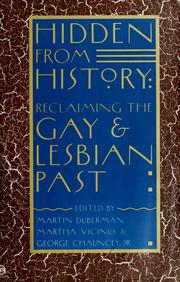 Hidden from HistoryMartin B. DubermanA sweeping, revelatory excavation of the lives, loves, and struggles that history tried to bury.
 From slavery to freedomJohn Hope FranklinA monumental and deeply dignified exploration of resilience, tracing the long and ongoing struggle for Black liberation and cultural triumph.
 Killing the black bodyDorothy RobertsAn unflinching, foundational text that radically reshapes how you understand bodily autonomy and systemic power.
 Gay New YorkGeorge ChaunceyA revelatory stroll through the bustling, defiant, and surprisingly visible queer subcultures of early twentieth-century Manhattan.
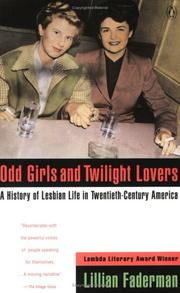 Odd Girls and Twilight LoversLillian FadermanA sweeping, deeply human excavation of the hidden lives, secret codes, and hard-won communities of twentieth-century queer women.
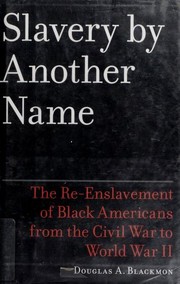 Slavery by another nameDouglas A. BlackmonA devastating, meticulously documented reckoning that shatters the myth of emancipation and exposes the brutal machinery of systemic exploitation.