Books › Slavery by another name
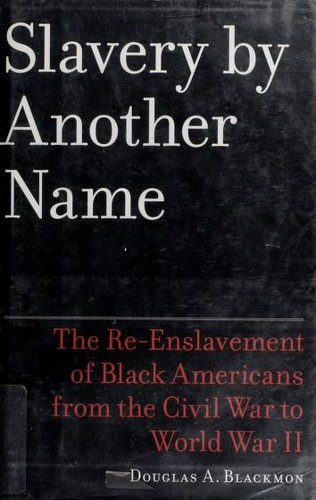
Slavery by another name
480 pages
A devastating, meticulously documented reckoning that shatters the myth of emancipation and exposes the brutal machinery of systemic exploitation.
What it feels like
Reading this book is a profoundly sobering and infuriating experience, one that fundamentally shifts your understanding of American history. It moves at a steady, deliberate pace, methodically laying out a mountain of evidence with the precision of a prosecutor and the empathy of a master storyteller. The mood is undeniably heavy and harrowing, steeped in the grim reality of racial terror and systemic exploitation. Yet, the prose remains clear, authoritative, and deeply human, ensuring that the victims of this hidden atrocity are never reduced to mere statistics. It is an emotionally taxing but essential read, designed for those who want to confront the unvarnished truth about the origins of the modern carceral state and the enduring legacy of racial injustice.
- Mood
- harrowing
- sobering
- heavy
- infuriating
- Tone
- authoritative
- unflinching
- indignant
- scholarly
- urgent
- Pace
- steady
- Themes
- systemic injustice · historical amnesia · racial terror · illusion of progress · commodification of human life
- The writing
- Journalistic and meticulously documented, anchoring sweeping historical analysis in devastatingly intimate human stories.
- The arc
- Begins with a shocking revelation of hidden history and builds into a sustained, righteous fury over systemic atrocities.
- Who it's for
- Readers seeking an unvarnished, deeply researched reckoning with the darkest, most deliberately obscured corners of American history.
Content notes
- racial violence
- forced labor
- torture
- systemic racism
- death and dying
About the book
In this groundbreaking historical expose, Douglas A. Blackmon brings to light one of the most shameful chapters in American history--an "Age of Neoslavery" that thrived from the aftermath of the Civil War through the dawn of World War II.Under laws enacted specifically to intimidate blacks, tens of thousands of African Americans were arbitrarily arrested, hit with outrageous fines, and charged for the costs of their own arrests. With no means to pay these ostensible "debts," prisoners were sold as forced laborers to coal mines, lumber camps, brickyards, railroads, quarries, and farm plantations. Thousands of other African Americans were simply seized by southern landowners and compelled into years of involuntary servitude. Government officials leased falsely imprisoned blacks to small-town entrepreneurs, provincial farmers, and dozens of corporations--including U.S. Steel--looking for cheap and abundant labor. Armies of "free" black men labored without compensation, were repeatedly bought and sold, and were forced through beatings and physical torture to do the bidding of white masters for decades after the official abolition of American slavery.The neoslavery system exploited legal loopholes and federal policies that discouraged prosecution of whites for continuing to hold black workers against their wills. As it poured millions of dollars into southern government treasuries, the new slavery also became a key instrument in the terrorization of African Americans seeking full participation in the U.S. political system.Based on a vast record of original documents and personal narratives, Slavery by Another Name unearths the lost stories of slaves and their descendants who journeyed into freedom after the Emancipation Proclamation and then back into the shadow of involuntary servitude. It also reveals the stories of those who fought unsuccessfully against the re-emergence of human labor trafficking, the modern companies that profited most from neoslavery, and the system's final demise in the 1940s, partly due to fears of enemy propaganda about American racial abuse at the beginning of World War II.Slavery by Another Name is a moving, sobering account of a little-known crime against African Americans, and the insidious legacy of racism that reverberates today.
Description from Open Library.
Books like Slavery by another name
See why they match The New Jim CrowMichelle AlexanderA paradigm-shifting, meticulously argued dismantling of the American justice system that leaves you forever changed.
 The Half Has Never Been ToldEdward E. BaptistA devastating, paradigm-shifting history that forces a reckoning with the blood and bone upon which American wealth was built.
 The Color of LawRichard RothsteinA meticulously documented dismantling of American historical myths that leaves you forever changed in how you view the neighborhoods around you.
 The peculiar institutionKenneth M. StamppA rigorous, myth-shattering historical examination that lays bare the brutal economic realities of American slavery.
 Stamped from the BeginningIbram X. KendiA monumental, paradigm-shifting journey through the intellectual history of American racism that demands a fundamental rewiring of how you view the present.
 Creating Black AmericansNell Irvin PainterA sweeping, visually stunning journey through history that honors both the profound traumas and the breathtaking creativity of a people.