Books › Introduction to Algorithms

Introduction to Algorithms
1332 pages
A monumental, demanding masterclass in computational logic that rewards patient study with profound structural clarity.
What it feels like
Reading this book is less like consuming a narrative and more like apprenticing under a demanding, brilliant mentor. It is a heavy, monumental text that requires you to sit at a desk with a notebook, a pen, and a quiet mind. The atmosphere is intensely intellectual and unapologetically rigorous, immersing you in a world where efficiency and mathematical elegance are the highest virtues. The prose is dense and precise, seamlessly weaving formal proofs with a universal pseudocode that soon feels like a second language. While the sheer volume of information can feel daunting at first, the emotional payoff is immense: the profound, satisfying click when a complex, abstract problem suddenly resolves into a beautifully optimized solution. It is a rite of passage for anyone serious about the architecture of software.
- Mood
- intellectual
- focused
- demanding
- illuminating
- Tone
- authoritative
- academic
- rigorous
- objective
- precise
- Pace
- steady
- Themes
- computational thinking · problem-solving · mathematical elegance · optimization · structural logic
- The writing
- Dense, highly structured, and unapologetically mathematical, blending formal English with meticulously crafted pseudocode.
- The arc
- Moves from the daunting weight of complex theory to the deeply satisfying click of algorithmic mastery.
- Who it's for
- Computer science students and dedicated software engineers who want to master the deep, underlying mechanics of computation.
About the book
This book provides a comprehensive introduction to the modern study of computer algorithms. It presents many algorithms and covers them in considerable depth, yet makes their design and analysis accessible to all levels of readers. We have tried to keep explanations elementary without sacrificing depth of coverage or mathematical rigor. Each chapter presents an algorithm, a design technique, an application area, or a related topic. Algorithms are described in English and in a "pseudocode" designed to be readable by anyone who has done a little programming. The book contains over 260 figrues illustrating how the algorithms work. Since we emphasize efficiency as a design criterion, we include careful analyses of the running times of all our algorithms. The text is intended primarily for use in undergraduate or graduate courses in algorithms or data structures. Because it discusses engineering issues in algorithm design, as well as mathematical aspects, it is equally well suited for self-study by technical professionals. --
Description from Open Library.
Books like Introduction to Algorithms
See why they match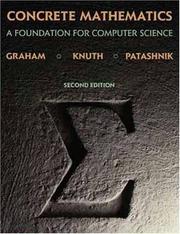 Concrete mathematicsRonald L. Graham and Oren PatashnikA rigorous, playful journey through the mathematical foundations of computer science that rewards deep focus with flashes of pure intellectual clarity.
 Data Structures and Algorithms Made EasyNarasimha KarumanchiA pragmatic, puzzle-driven bootcamp that transforms daunting computer science concepts into conquerable challenges.
 Compilers, principles, techniques, and toolsAlfred V. Aho, Ravi Sethi and othersA rigorous, foundational descent into the deep magic of how human-readable code is transformed into machine execution.
 Computer Science DistilledWladston Ferreira FilhoA friendly, fast-paced flashlight cutting through the intimidating fog of computer science fundamentals.
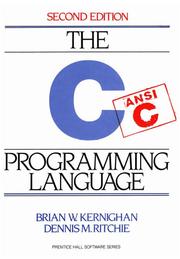 The C Programming LanguageBrian W. KernighanA masterclass in elegant brevity that feels like being handed the keys to the machine.
 Grokking Algorithms: An illustrated guide for programmers and other curious peopleAditya BhargavaA warm, heavily illustrated hand-hold through the intimidating world of computer science that makes complex concepts feel like common sense.