Books › Kokoro

Kokoro
First published 1997 · 620 pages
A quiet, devastating meditation on guilt, isolation, and the unbridgeable distances between generations.
What it feels like
Reading this novel feels like sitting in a quiet, shadowed room listening to a long-held confession. The pacing is steady and deliberate, drawing you slowly into the psychological depths of its characters. Its prose is spare and elegant, masking a profound emotional turbulence beneath a surface of formal restraint. The atmosphere is deeply melancholic and autumnal, steeped in the quiet tragedy of isolation and the heavy burden of the past. It explores the painful transition between eras and the solitary nature of the human heart. This is a book for readers who savor introspective, slow-burn character studies and philosophical meditations on guilt, egoism, and the unspoken distances that exist even in our most intimate relationships.
- Mood
- somber
- quiet
- shadowed
- autumnal
- Tone
- melancholic
- introspective
- confessional
- earnest
- Pace
- steady
- Themes
- generational divide · alienation and isolation · guilt and betrayal · the weight of the past · moral anguish
- The writing
- Spare, elegant, and precise, carrying a quiet emotional weight beneath its formal surface.
- The arc
- Moves from quiet curiosity and admiration to a devastating revelation of deep-seated guilt and tragic inevitability.
- Who it's for
- Readers who appreciate slow-burn psychological character studies and philosophical meditations on human nature and societal change.
Content notes
- suicide
- terminal illness
- grief
- depression
About the book
No collection of Japanese literature is complete without Natsume Soseki's Kokoro, his most famous novel and the last he complete before his death. Published here in the first new translation in more than fifty years, Kokoro--meaning "heart"-is the story of a subtle and poignant friendship between two unnamed characters, a young man and an enigmatic elder whom he calls "Sensei". Haunted by tragic secrets that have cast a long shadow over his life, Sensei slowly opens up to his young disciple, confessing indiscretions from his own student days that have left him reeling with guilt, and revealing, in the seemingly unbridgeable chasm between his moral anguish and his student's struggle to understand it, the profound cultural shift from one generation to the next that characterized Japan in the early twentieth century.
Description from Open Library.
Books like Kokoro
See why they match SchoolgirlOsamu DazaiA restless, stream-of-consciousness drift through the mind of a teenager caught between the fading innocence of childhood and the suffocating expectations of the adult world.
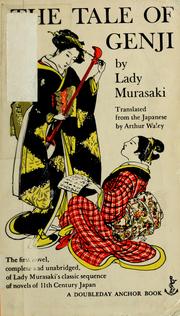 Genji monogatariMurasaki ShikibuAn opulent, melancholic immersion into the fleeting passions and intricate politics of an ancient imperial court.
 The setting sun太宰治A haunting, elegiac portrait of a fading family grappling with existential despair in the ashes of a ruined world.
 The Great PassageShion MiuraA warm, quiet celebration of the meticulous art of dictionary-making and the profound ways language connects us to one another.
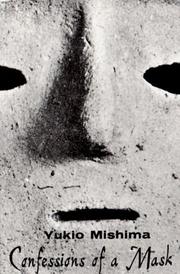 Confessions of a MaskYukio MishimaA haunting, exquisitely written descent into the mind of a young man constructing a false self to hide his taboo desires.
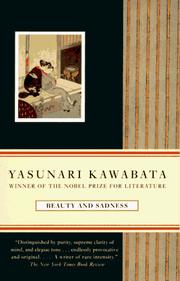 Utsukushisa to kanashimi toUnknown authorA simmering, introspective journey into the minds of creators consumed by art and envy in Japan.