Books › Schoolgirl

Schoolgirl
106 pages
A restless, stream-of-consciousness drift through the mind of a teenager caught between the fading innocence of childhood and the suffocating expectations of the adult world.
What it feels like
Reading this novella feels like slipping into the chaotic, hyper-observant mind of a teenager for a single, ordinary day. The narrative meanders through a stream-of-consciousness flow, capturing the dizzying whiplash of adolescence—one moment soaring with poetic idealism, the next plunging into cynical despair. The prose is playful yet laced with a sharp, melancholic irony, perfectly mirroring the protagonist's internal rebellion against the rigid social structures of 1930s Japan. It is a deeply atmospheric and restless reading experience, steeped in the bittersweet realization that childhood is ending. Fans of introspective, character-driven literature will devour this brief but potent exploration of alienation, finding a timeless resonance in its depiction of the messy, contradictory transition into adulthood.
- Mood
- restless
- dreamy
- bittersweet
- claustrophobic
- Tone
- introspective
- ironic
- melancholic
- playful
- cynical
- Pace
- meandering
- Themes
- adolescent alienation · the burden of social expectations · loss of innocence · existential dread · fleeting beauty
- The writing
- Fluid and stream-of-consciousness, the sentences tumble forward with a mix of sharp, ironic observations and poetic vulnerability.
- The arc
- The narrative drifts through the restless highs and cynical lows of a single day, ultimately settling into a quiet, melancholic resignation to the adult world.
- Who it's for
- Readers who love deeply internal, character-driven novellas that capture the messy, contradictory feelings of standing on the precipice of adulthood.
Content notes
- grief
- depression
- existential angst
About the book
The novella that first propelled Dazai into the literary elite of post-war Japan. Essentially the start of Dazai's career, Schoolgirl gained notoriety for its ironic and inventive use of language. Now it illuminates the prevalent social structures of a lost time, as well as the struggle of the individual against them--a theme that occupied Dazai's life both personally and professionally. This new translation preserves the playful language of the original and offers the reader a new window into the mind of one of the greatest Japanese authors of the 20th century.
Description from Open Library.
Books like Schoolgirl
See why they match Return to TsugaruDazai, OsamuA quiet, wandering memoir that maps the physical landscape of the Tsugaru Peninsula alongside the internal landscape of the author's memories.
 The setting sun太宰治A haunting, elegiac portrait of a fading family grappling with existential despair in the ashes of a ruined world.
 Confessions of a MaskYukio MishimaA haunting, exquisitely written descent into the mind of a young man constructing a false self to hide his taboo desires.
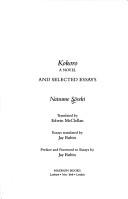 KokoroNatsume SosekiA quiet, devastating meditation on guilt, isolation, and the unbridgeable distances between generations.
 In the shade of spring leavesRobert Lyons DanlyA hauntingly beautiful tribute to a brief life, blending empathetic biography with the delicate sorrow of classic Japanese short fiction.
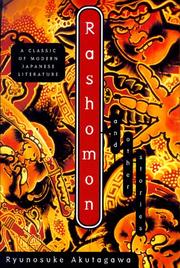 Rashomon and other storiesRyunosuke AkutagawaA masterful collection of short fiction and reflections that bridges classical traditions and modern sensibilities through highly stylized prose.