Books › Kommandant in Auschwitz

Kommandant in Auschwitz
First published 1959 · 390 pages
A chillingly detached, bureaucratic descent into the mind of a mass murderer that exposes the terrifying banality of evil.
What it feels like
Reading this memoir is a profoundly unsettling experience, defined by its chillingly flat, bureaucratic tone. The narrative moves at a steady, methodical pace, dragging the reader into a dread-soaked atmosphere where unimaginable atrocities are discussed with the mundane detachment of an administrative report. There is no emotional catharsis here, only a bleak, claustrophobic immersion into the mind of a man who rationalized the industrialization of death. The prose is dry and devoid of moral reflection, which only amplifies the horror of the subject matter. It is a difficult, oppressive read, but an essential one for students of history and psychology who seek to understand the terrifying banality of evil and the psychological mechanisms of totalitarian obedience.
- Mood
- oppressive
- dread-soaked
- bleak
- claustrophobic
- Tone
- detached
- bureaucratic
- matter-of-fact
- self-justifying
- chilling
- Pace
- steady
- Themes
- the banality of evil · bureaucratic detachment · rationalization of atrocity · totalitarian obedience · mechanics of genocide
- The writing
- Dry, methodical, and chillingly bureaucratic, recounting unimaginable horrors with the flat affect of an administrative report.
- The arc
- A steady plunge into an abyss of moral emptiness, leaving the reader profoundly disturbed by the narrator's lack of remorse.
- Who it's for
- Readers of history and psychology who are willing to confront the darkest corners of human nature to understand the mechanics of totalitarian evil.
Content notes
- genocide
- mass murder
- antisemitism
- Holocaust trauma
- graphic violence
- torture
About the book
Rudolf Hoess was the notorious Commandant of Auschwitz. Imprisoned and awaiting execution after the war, Hoess wrote a long memoir, a self-serving account of his life and approaches to management. The amoral sensibility Hoess displayed regarding all that went on in the charnel factory where the industrialization of death was practiced--where probably 3 million people were literally worked to death, shot or quickly gassed--is still almost beyond belief today. Here, noted writer Jürg Amann has distilled Hoess' memoir into an illuminating new work. The Commandant is a book Hoess would certainly not have approved--a chilling insight into Hitler's Final Solution and the nature of evil itself through the prism of the Nazis' totalitarian system, one Hoess and so many others felt no requirement to question. Ian Buruma's afterword sets this frightening excerpt within a broader moral and historical context.--From publisher description.
Description from Open Library.
Books like Kommandant in Auschwitz
See why they match Into that darknessGitta SerenyA chilling, methodical descent into the mind of a monster who believed himself to be an ordinary man.
 Se questo è un uomoPrimo LeviA lucid, devastatingly precise autopsy of human endurance in the face of absolute evil.
 Ordinary MenChristopher R. BrowningA chilling, methodical examination of how terrifyingly easy it is for average people to commit unspeakable atrocities.
 Works (La tregua / Se questo è un uomo)Primo LeviA lucid, unflinching descent into the darkest depths of human cruelty, followed by a surreal and fragile journey back to life.
 Hitler (Profiles in Power)Ian KershawA chilling, masterfully constructed autopsy of how a society's vulnerabilities can be exploited by a charismatic extremist.
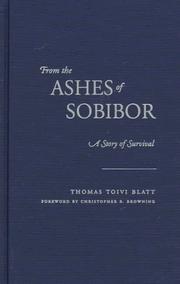 From the ashes of SobiborThomas Toivi BlattA harrowing, deeply personal testament to survival and resistance in the darkest chapters of human history.