Books › Ordinary Men
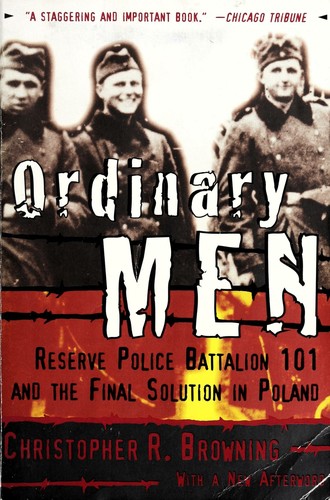
Ordinary Men
Reserve Police Battalion 101 and the Final Solution in Poland
First published 1998 · 426 pages
A chilling, methodical examination of how terrifyingly easy it is for average people to commit unspeakable atrocities.
What it feels like
Reading this book is a profoundly sobering experience that sits heavy in the chest. It moves at a steady, methodical pace, building a dread-soaked atmosphere not through sensationalism, but through cold, hard facts and meticulous psychological analysis. The prose is scholarly and unflinching, stripping away the comforting illusion that monsters are fundamentally different from the rest of us. Instead, it immerses the reader in the bleak reality of group conformity, peer pressure, and moral erosion. It is a haunting, essential read for those drawn to history and behavioral psychology, offering a dark mirror to human nature. You will leave this book deeply unsettled, carrying its chilling implications about the fragility of ordinary morality long after the final page.
- Mood
- bleak
- sobering
- dread-soaked
- haunting
- oppressive
- Tone
- objective
- analytical
- unflinching
- scholarly
- chilling
- Pace
- steady
- Themes
- the banality of evil · group conformity · moral erosion · human capacity for atrocity · psychological rationalization
- The writing
- Clear, academic, and meticulously documented, relying on unadorned facts rather than sensationalism to convey its horror.
- The arc
- Moves from historical curiosity into a profound, lingering horror at the fragility of human morality.
- Who it's for
- Readers of history and behavioral psychology who seek to understand the dark mechanics of human nature and the roots of mass violence.
Content notes
- genocide
- mass murder
- antisemitism
- graphic violence
- war crimes
About the book
Christopher R. Browning’s shocking account of how a unit of average middle-aged Germans became the cold-blooded murderers of tens of thousands of Jews.
Ordinary Men is the true story of Reserve Police Battalion 101 of the German Order Police, which was responsible for mass shootings as well as round-ups of Jewish people for deportation to Nazi death camps in Poland in 1942. Browning argues that most of the men of RPB 101 were not fanatical Nazis but, rather, ordinary middle-aged, working-class men who committed these atrocities out of a mixture of motives, including the group dynamics of conformity, deference to authority, role adaptation, and the altering of moral norms to justify their actions. Very quickly three groups emerged within the battalion: a core of eager killers, a plurality who carried out their duties reliably but without initiative, and a small minority who evaded participation in the acts of killing without diminishing the murderous efficiency of the battalion whatsoever.
While this book discusses a specific Reserve Unit during WWII, the general argument Browning makes is that most people succumb to the pressures of a group setting and commit actions they would never do of their own volition.
Ordinary Men is a powerful, chilling, and important work, with themes and arguments that continue to resonate today.
Description from Open Library.
Books like Ordinary Men
See why they match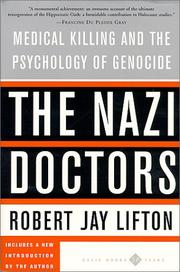 The Nazi DoctorsRobert Jay LiftonA chilling, methodical descent into the psychological mechanisms that allowed healers to become mass murderers.
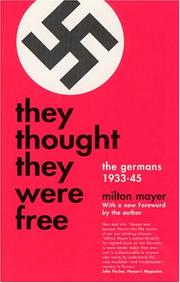 They Thought They Were FreeMilton MayerA chilling, penetrating look into the minds of ordinary people who became complicit in one of history's darkest regimes.
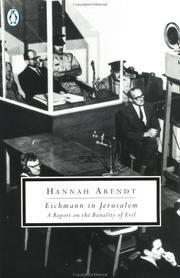 Eichmann in JerusalemHannah ArendtA chilling, intellectually rigorous dissection of how ordinary bureaucracy facilitates unimaginable atrocities.
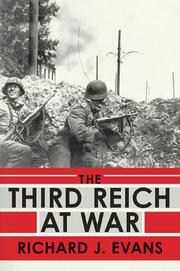 The Third Reich at warRichard J. EvansA sweeping, harrowing descent into the daily realities and terrifying climax of a nation rushing headlong toward self-destruction.
 The Third Reich in power, 1933-1939Richard J EvansA monumental, dread-inducing masterclass in historical synthesis that meticulously charts a modern society's descent into totalitarian darkness.
 Kommandant in AuschwitzRudolph HossA chillingly detached, bureaucratic descent into the mind of a mass murderer that exposes the terrifying banality of evil.