Books › La Poetica

La Poetica
First published 1972 · 9897 pages
An intellectual excavation of the human soul, revealing the timeless blueprints of storytelling and persuasion.
What it feels like
Reading this foundational text feels like stepping into an ancient, sunlit lecture hall to dismantle the very engine of human storytelling. The pace is steady and demanding, requiring you to slow down and chew on dense, methodical arguments that have shaped centuries of literature. It is a deeply intellectual and scholarly experience, yet it hums with a profound understanding of human nature, catharsis, and emotion. The prose is exacting, reading less like a flowing narrative and more like a brilliant set of blueprints. It delights writers, philosophers, and analytical minds who crave a structural understanding of art. Ultimately, it transforms the reader from a passive audience member into a sharp-eyed architect of narrative, forever changing how you consume and create stories.
- Mood
- intellectual
- contemplative
- scholarly
- Tone
- analytical
- authoritative
- didactic
- objective
- Pace
- steady
- Themes
- the mechanics of storytelling · human emotion and catharsis · the structure of tragedy · aesthetic evaluation
- The writing
- Dense, methodical, and highly structured, reading like the brilliant, exacting lecture notes of a master teacher.
- The arc
- The reader transitions from a passive consumer of stories to an enlightened architect of narrative and emotion.
- Who it's for
- Writers, philosophers, and deep-thinking readers who want to dismantle the engine of storytelling to see how the gears of human emotion turn.
Content notes
- antiquated social views
About the book
Few, if any, writers in history have made major contributions to as many fields of knowledge as Aristotle...
'If there are two definitive features of ancient Greek civilization,' writes Hugh Lawson-Tancred in his wide-ranging Introduction, 'they are articulacy and competition.' In the city-states oratorical competence was an essential asset for politicians in the Assemblies and Councils and even for ordinary citizens in the courts of law. In response, the technique of rhetoric rapidly developed, bringing virtuoso performances and a host of practical manuals for the layman. Yet if many of these were little more than collections of debaters' tricks, the hugely influential Art of Rhetoric has a far deeper purpose. It is here that Aristotle (384-322 B.C.) establishes the methods of informal reasoning, provides the first aesthetic evaluation of prose style and offers detailed observations on character and the emotions. 'Persuasiveness,' suggests Lawson-Tancred, 'becomes for the first time a systematic and even scientific exercise; it can indeed be taught, but only by a deep grasp of some of the most central features of human nature.' His fine translation makes freshly available an epoch-making work of literary criticism.
Description from Open Library.
Books like La Poetica
See why they match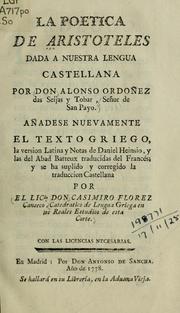 PoeticsAristotleA methodical, foundational dissection of why stories move us and how tragedy achieves its emotional power.
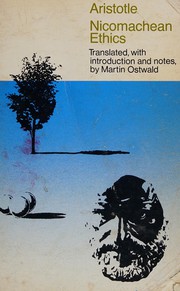 Nicomachean EthicsAristotleA rigorous, foundational blueprint for cultivating character, friendship, and a life of genuine human flourishing.
 The Dialogues of Plato / The Seventh LetterUnknown authorA foundational intellectual sparring match that invites you to question everything you thought you knew about reality, love, and justice.
 On the sublimeLonginusAn antiquarian deep-dive into the ancient mechanics of awe-inspiring language and literary majesty.
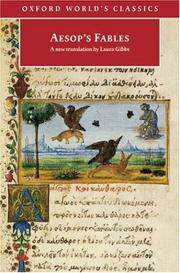 Aesop's fablesAesopA timeless collection of bite-sized allegories that use the animal kingdom to lay bare the follies and triumphs of human nature.
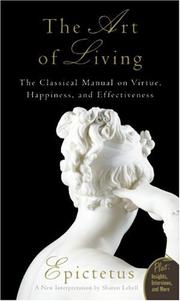 Art of LivingEpictetusA clarifying splash of cold water for the anxious mind, offering timeless tools for reclaiming your inner peace.