Books › Lanark
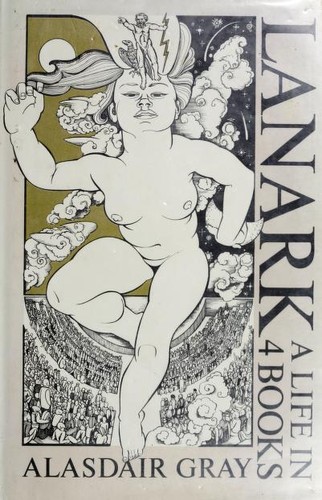
Lanark
First published 1981 · 647 pages
A sprawling, hallucinatory epic that fractures reality to explore the heartbreaking struggle for love and art in a decaying world.
What it feels like
Reading this monumental epic feels like wandering through a magnificent, crumbling labyrinth where the walls constantly shift between gritty reality and dystopian nightmare. The narrative is deliberately disorienting, plunging you into a surreal, sunless purgatory before snapping back to the rain-slicked, heartbreakingly real streets of a mid-century Scottish city. It is a meandering, wildly ambitious experience that demands patience, rewarding the reader with a profound, darkly comic exploration of urban decay, artistic failure, and the desperate human compulsion to seek connection. The prose is thick with invention, blending bureaucratic satire with grotesque body horror and playful metafiction. It is a masterpiece for readers who love to be swallowed whole by strange, melancholic, and fiercely intelligent worlds.
- Mood
- hallucinatory
- oppressive
- surreal
- bleak
- darkly comic
- Tone
- satirical
- melancholic
- playful
- cynical
- earnest
- Pace
- meandering
- Themes
- urban decay · artistic struggle · existential alienation · the impossibility of love · bureaucratic nightmare
- The writing
- Wildly inventive and richly textured, the writing shifts seamlessly from gritty, kitchen-sink realism to bizarre, metafictional surrealism.
- The arc
- Begins in disorienting, amnesiac alienation, plunges into the heartbreaking struggles of a doomed artist, and culminates in a weary, apocalyptic acceptance of human frailty.
- Who it's for
- Devotees of ambitious, postmodern epics who revel in dark, genre-defying blends of dystopian fantasy and tragicomic realism.
Content notes
- body horror
- suicide
- depression
- sexual violence
- chronic illness
About the book
Lanark, a modern vision of hell set in the disintegrating cities of Unthank and Glasgow, tells the interwoven stories of Lanark and Duncan Thaw. A work of extraordinary, playful imagination, it conveys a profound message, both personal and political, about humankind's inability to love, and yet our compulsion is to go on trying. First published in 1981, Lanark immediately established Gray as one of Britain's leading writers, compared with - among others - Dante, Blake, Joyce, Orwell, Kafka, Huxley and Lewis Carroll. This new edition includes an introduction by William Boyd as well as the author's fascinating addendum, the 'Tailpiece' (2001).
Description from Open Library.
Books like Lanark
See why they match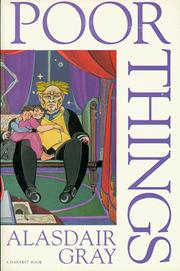 Poor thingsAlasdair GrayA darkly hilarious, feminist funhouse mirror held up to the Victorian gothic, where the monster is the most rational person in the room.
 GlueIrvine WelshA chaotic, darkly hilarious, and surprisingly tender plunge into the decades-long loyalty of four working-class Scottish boys.
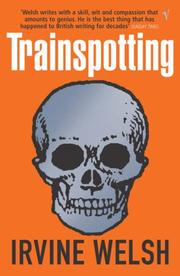 TrainspottingIrvine WelshA frantic, dialect-heavy plunge into the euphoric highs and devastating lows of addiction and urban decay.
 WhitIain BanksA wry, culture-clash journey of a sheltered cult member navigating the bewildering landscape of Nineties Britain while her worldview slowly unravels.
 Under the skinMichel FaberA masterclass in creeping dread that slowly peels back the mundane to reveal something profoundly alien and devastating.
 Walking on GlassIain BanksA surreal, disorienting puzzle of a novel where paranoia, romantic obsession, and impossible riddles hurtle toward an inevitable collision.