Books › Leonardo da Vinci
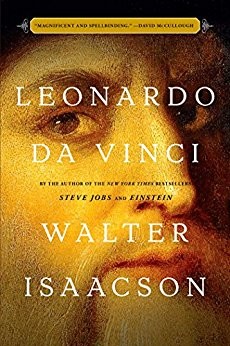
Leonardo da Vinci
1020 pages
An immersive journey into the notebooks and mind of history's most relentlessly curious polymath.
What it feels like
Reading this biography feels like being handed the keys to a boundless, brilliantly chaotic mind. Isaacson crafts a steady, intellectually expansive atmosphere that invites you to marvel at the sheer breadth of human potential. The prose is accessible yet authoritative, seamlessly weaving together the mechanics of anatomy, the physics of light, and the emotional resonance of Renaissance art. It is less a chronological recounting of a life and more an exploration of relentless, almost obsessive curiosity. You will find yourself looking at the world differently—noticing the swirl of water or the play of shadows—long after you put it down. This is a deeply inspiring read for anyone fascinated by the intersection of science, art, and the everyday magic of observation.
- Mood
- intellectually stimulating
- expansive
- wonder-filled
- Tone
- admiring
- analytical
- engaging
- authoritative
- curious
- Pace
- steady
- Themes
- the intersection of art and science · relentless curiosity · the nature of genius · power of observation · lifelong learning
- The writing
- Clear, accessible, and meticulously researched, balancing narrative momentum with deep dives into technical and artistic details.
- The arc
- Moves from awe at the sheer breadth of a singular mind to a grounded, inspiring realization that his genius was rooted in deeply human curiosity.
- Who it's for
- Readers who love deep dives into the minds of historical polymaths and find inspiration in the synthesis of creativity and scientific inquiry.
Content notes
- descriptions of anatomical dissection
About the book
The author of the acclaimed bestsellers Steve Jobs, Einstein, and Benjamin Franklin brings Leonardo da Vinci to life in this exciting new biography.
Based on thousands of pages from Leonardo’s astonishing notebooks and new discoveries about his life and work, Walter Isaacson weaves a narrative that connects his art to his science. He shows how Leonardo’s genius was based on skills we can improve in ourselves, such as passionate curiosity, careful observation, and an imagination so playful that it flirted with fantasy.
He produced the two most famous paintings in history, The Last Supper and the Mona Lisa. But in his own mind, he was just as much a man of science and technology. With a passion that sometimes became obsessive, he pursued innovative studies of anatomy, fossils, birds, the heart, flying machines, botany, geology, and weaponry. His ability to stand at the crossroads of the humanities and the sciences, made iconic by his drawing of Vitruvian Man, made him history’s most creative genius.
His creativity, like that of other great innovators, came from having wide-ranging passions. He peeled flesh off the faces of cadavers, drew the muscles that move the lips, and then painted history’s most memorable smile. He explored the math of optics, showed how light rays strike the cornea, and produced illusions of changing perspectives in The Last Supper. Isaacson also describes how Leonardo’s lifelong enthusiasm for staging theatrical productions informed his paintings and inventions.
Leonardo’s delight at combining diverse passions remains the ultimate recipe for creativity. So, too, does his ease at being a bit of a misfit: illegitimate, gay, vegetarian, left-handed, easily distracted, and at times heretical. His life should remind us of the importance of instilling, both in ourselves and our children, not just received knowledge but a willingness to question it—to be imaginative and, like talented misfits and rebels in any era, to think different.
Description from Open Library.
Books like Leonardo da Vinci
See why they match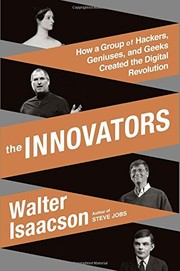 The InnovatorsWalter IsaacsonA sweeping, deeply human exploration of the collaborative genius that wired our modern world.
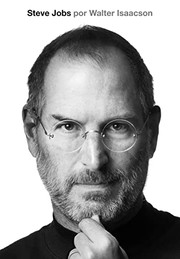 Steve JobsWalter IsaacsonA gripping, unvarnished portrait of how ferocious drive and uncompromising vision can change the world while leaving a trail of personal wreckage.
 The Creative ActRick RubinA quiet, expansive meditation that treats the creative process not as a series of tasks, but as a spiritual way of moving through the world.
 Isaac NewtonJames GleickAn elegant, atmospheric plunge into the obsessive and brilliant mind that dragged humanity out of the dark ages and into the light of modern physics.
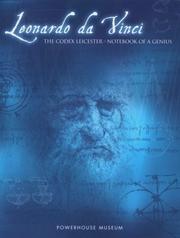 LeonardoSerge BramlyAn intimate, awe-inspiring glimpse into the restless, brilliant mind of history's greatest polymath.
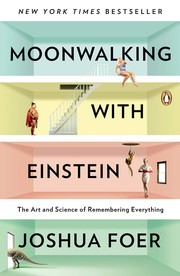 Moonwalking with EinsteinJoshua FoerA witty, mind-expanding plunge into an eccentric subculture that will completely change how you think about your own brain.