Books › Life 3.0

Life 3.0
496 pages
A mind-expanding journey to the very edges of technological possibility and human purpose.
What it feels like
Reading this book feels like standing on the precipice of a new geological era, looking down into a vast and uncertain canyon. It is a deeply contemplative and expansive experience that stretches the mind, asking you to grapple with the ultimate limits of physics, consciousness, and human agency. The prose is remarkably clear and steady, guiding you through dense thickets of computer science and philosophy using vivid thought experiments and accessible analogies. While the sheer scale of the existential questions can induce a mild sense of vertigo or dread, the overarching tone remains earnest, visionary, and profoundly empowering. It is a perfect fit for curious futurists and deep thinkers who want to actively participate in shaping the trajectory of conscious life in the cosmos.
- Mood
- contemplative
- awe-inspiring
- expansive
- unsettling
- Tone
- earnest
- visionary
- inquisitive
- urgent
- analytical
- Pace
- steady
- Themes
- existential risk · the nature of consciousness · technological singularity · ethical responsibility · the future of humanity
- The writing
- Clear, accessible, and structured, relying heavily on engaging thought experiments and analogies to unpack complex physics and computer science concepts.
- The arc
- Moves from grounded curiosity about current technology to mind-expanding awe and existential apprehension about the far future, ending on a note of empowering responsibility.
- Who it's for
- Curious futurists and deep thinkers who want to grapple with the philosophical, ethical, and practical implications of artificial general intelligence.
Content notes
- existential dread
- discussions of human extinction
About the book
"How will artificial intelligence affect crime, war, justice, jobs, society and our very sense of being human? The rise of AI has the potential to transform our future more than any other technology--and there's nobody better qualified or situated to explore that future than Max Tegmark, an MIT professor who's helped mainstream research on how to keep AI beneficial. How can we grow our prosperity through automation without leaving people lacking income or purpose? What career advice should we give today's kids? How can we make future AI systems more robust, so that they do what we want without crashing, malfunctioning or getting hacked? Should we fear an arms race in lethal autonomous weapons? Will machines eventually outsmart us at all tasks, replacing humans on the job market and perhaps altogether? Will AI help life flourish like never before or give us more power than we can handle? What sort of future do you want? This book empowers you to join what may be the most important conversation of our time. It doesn't shy away from the full range of viewpoints or from the most controversial issues--from superintelligence to meaning, consciousness and the ultimate physical limits on life in the cosmos."--Jacket.
Description from Open Library.
Books like Life 3.0
See why they match Human CompatibleStuart RussellA sobering yet ultimately constructive intellectual journey into the greatest existential challenge of our time.
 Machines of loving graceJohn MarkoffA sweeping, journalistic exploration of the ethical tightrope between human agency and artificial intelligence.
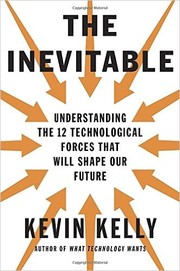 The InevitableKevin KellyA visionary roadmap to the next three decades of technological evolution and societal transformation.
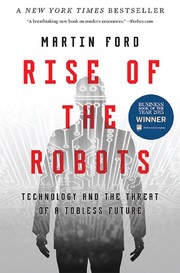 Rise of the RobotsMartin FordA sobering, data-driven look into the encroaching obsolescence of human labor and the urgent need to rethink our economic future.
 The Alignment ProblemBrian ChristianA gripping, eye-opening journey into the minds of the machines we've built and the urgent scramble to teach them human values.
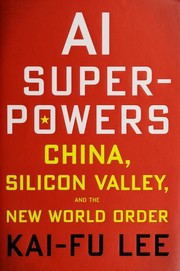 AI superpowersKai-Fu LeeA sweeping, urgent look at the future of technology that grounds its geopolitical forecasts in a deeply humanistic core.