Books › The Alignment Problem

The Alignment Problem
496 pages
A gripping, eye-opening journey into the minds of the machines we've built and the urgent scramble to teach them human values.
What it feels like
Reading this book feels like sitting down with a brilliant, deeply concerned friend who is patiently explaining the invisible architecture of the modern world. The pace is brisk and narrative-driven, pulling you through a landscape of cognitive science and machine learning with surprising emotional resonance. It balances a mood of creeping, existential alarm with genuine intellectual thrill as it unpacks the unintended consequences of our own creations. The prose is remarkably lucid, transforming dense algorithmic theory into gripping human drama. It is a deeply thought-provoking experience that will delight tech enthusiasts, ethicists, and anyone who has ever wondered who is really behind the digital wheel, leaving you looking at your everyday technology with a newfound, cautious reverence.
- Mood
- intellectually stimulating
- mildly alarming
- fascinating
- forward-looking
- Tone
- urgent
- inquisitive
- lucid
- thoughtful
- cautionary
- Pace
- brisk
- Themes
- the ethics of creation · unintended consequences · human fallibility · the illusion of objectivity · technological hubris
- The writing
- Clear, accessible, and narrative-driven, translating dense computational concepts into compelling human stories.
- The arc
- Moves from a sense of creeping dread about the systems governing our lives to a cautious, galvanized hope regarding the people trying to fix them.
- Who it's for
- Curious minds who want to understand the invisible algorithms shaping society without getting bogged down in impenetrable code.
Content notes
- systemic racism and sexism
- discussions of fatal accidents
About the book
"A jaw-dropping exploration of everything that goes wrong when we build AI systems-and the movement to fix them. Today's "machine-learning" systems, trained by data, are so effective that we've invited them to see and hear for us-and to make decisions on our behalf. But alarm bells are ringing. Systems cull résumés until, years later, we discover that they have inherent gender biases. Algorithms decide bail and parole-and appear to assess black and white defendants differently. We can no longer assume that our mortgage application, or even our medical tests, will be seen by human eyes. And autonomous vehicles on our streets can injure or kill. When systems we attempt to teach will not, in the end, do what we want or what we expect, ethical and potentially existential risks emerge. Researchers call this the alignment problem. In best-selling author Brian Christian's riveting account, we meet the alignment problem's "first-responders," and learn their ambitious plan to solve it before our hands are completely off the wheel"--Provided by publisher.
Description from Open Library.
Books like The Alignment Problem
See why they match Human CompatibleStuart RussellA sobering yet ultimately constructive intellectual journey into the greatest existential challenge of our time.
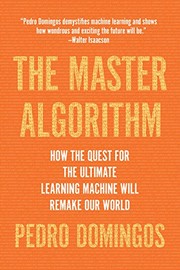 The Master AlgorithmPedro DomingosA visionary, intellectually thrilling safari through the hidden logic that powers our modern world and promises to reshape our future.
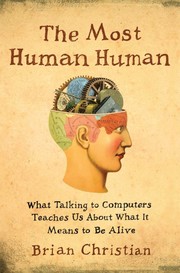 The Most Human HumanBrian ChristianA provocative and philosophical journey into the heart of what separates human consciousness from artificial intelligence.
 Machines of loving graceJohn MarkoffA sweeping, journalistic exploration of the ethical tightrope between human agency and artificial intelligence.
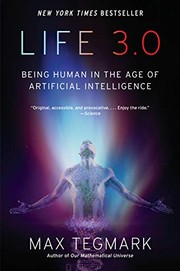 Life 3.0Max TegmarkA mind-expanding journey to the very edges of technological possibility and human purpose.
 Atlas of AIKate CrawfordA sobering, eye-opening journey into the physical mines, sweatshops, and server farms that power the illusion of seamless artificial intelligence.