Books › Literary theory
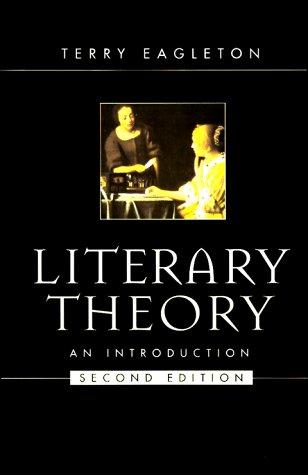
Literary theory
an introduction
400 pages
An engaging, unpretentious journey through the major movements of contemporary literary thought.
What it feels like
Reading this book feels like sitting in on a masterclass with a brilliant but deeply approachable professor. The pace is steady and deliberate, guiding you through the complex landscape of twentieth-century literary movements with an unpretentious, engaging tone. Rather than drowning the reader in dense academic jargon, the prose remains remarkably clear, transforming intimidating philosophical and critical theories into illuminating, accessible concepts. The mood is highly intellectual yet welcoming, fostering a contemplative atmosphere where contemporary thought suddenly makes sense. It is the perfect read for anyone eager to understand the mechanics of literature and criticism, offering a satisfying arc from initial curiosity to a confident grasp of major theoretical frameworks.
- Mood
- intellectual
- contemplative
- illuminating
- Tone
- clear
- engaging
- unpretentious
- accessible
- Pace
- steady
- Themes
- literary movements · contemporary thought · critical analysis · philosophical inquiry
- The writing
- Clear, engaging, and unpretentious, breaking down dense theoretical concepts into accessible language.
- The arc
- Moves from a sense of academic curiosity to a grounded understanding of complex contemporary thought.
- Who it's for
- Anyone interested in learning about the world of contemporary literary thought and criticism without feeling overwhelmed by academic jargon.
About the book
This classic work covers all of the major movements in literary studies in this century. Noted for its clear, engaging style and unpretentious treatment, Literary Theory has become the introduction of choice for anyone interested in learning about the world of contemporary literary thought.
Description from Open Library.
Books like Literary theory
See why they match A history of literary criticismHarry BlamiresA steady, illuminating journey through centuries of intellectual debate about the meaning and purpose of literature.
 Literary CriticismCharles E. BresslerA clear, structured map through the dense and fascinating wilderness of literary theory.
 How to read and whyHarold BloomAn impassioned, erudite invitation to treat the reading of great literature as a profound act of self-discovery.
 Against InterpretationSusan SontagA fierce, electrifying call to experience art through the senses rather than dissecting it for hidden meanings.
 How to read literature like a professorThomas C. FosterA friendly, fireside chat with your favorite English teacher that permanently changes how you consume stories.
 The anxiety of influenceHarold BloomAn insightful, deeply personal exploration of how artists wrestle with the inescapable shadows of their literary ancestors.