Books › The anxiety of influence
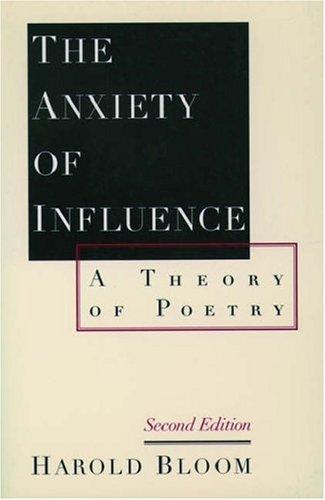
The anxiety of influence
a theory of poetry
208 pages
An insightful, deeply personal exploration of how artists wrestle with the inescapable shadows of their literary ancestors.
What it feels like
Reading this foundational work of literary criticism feels like sitting in on a deeply personal, intellectually rigorous masterclass. The pace is steady and contemplative, inviting the reader to linger over memorable quotations and concrete examples drawn from the Romantic poets, Shakespeare, and Marlowe. The mood is both academic and introspective, steeped in the reverent yet fraught atmosphere of artistic lineage. Its prose is surprisingly moving, blending authoritative theory with a deeply felt exploration of how creators wrestle with the burden of the past. It is an essential, thought-provoking experience for students of literature and anyone fascinated by the inescapable anxiety of inheritance and the creative power of misreading those who came before.
- Mood
- contemplative
- academic
- reverent
- introspective
- Tone
- insightful
- personal
- authoritative
- earnest
- intellectual
- Pace
- steady
- Themes
- artistic lineage · the burden of the past · creative misreading · literary inheritance · the inescapable nature of influence
- The writing
- Written in a moving, personal style that remains anchored by concrete examples and memorable quotations.
- The arc
- A journey from confronting the daunting shadow of literary precursors to understanding the creative necessity of misreading them.
- Who it's for
- Students of literature and poetry lovers who are fascinated by the complex relationships between artists and their predecessors.
About the book
Harold Bloom's The Anxiety of Influence has cast its long shadow of influence since it was first published in 1973. Through an insightful study of Romantic poets, Bloom puts forth his central vision of the relations between precursors and the individual artist. His argument that all literary texts are a strong misreading of those that precede them had an enormous impact on the practice of criticism and post-structuralist literary theory.
The book remains a central work of criticism for all students of literature.
Written in a moving personal style, anchored by concrete examples, and memorable quotations, this second edition of Bloom's classic work maintains that the anxiety of influence cannot be evaded - neither by poets nor by responsible readers and critics. A new introduction, centering upon Shakespeare and Marlowe explains the genesis of Bloom's thinking, and the subsequent influence of the book on literary criticism of the past quarter of a century.
Description from Open Library.
Books like The anxiety of influence
See why they match The Western canonHarold BloomA fierce, erudite love letter to the towering geniuses of literature and a passionate defense of reading for aesthetic pleasure alone.
 How to read and whyHarold BloomAn impassioned, erudite invitation to treat the reading of great literature as a profound act of self-discovery.
 Literary theoryTerry EagletonAn engaging, unpretentious journey through the major movements of contemporary literary thought.
 Songs of Innocence and of ExperienceWilliam BlakeA visionary descent from the sunlit pastures of childhood wonder into the soot-stained realities of a fallen world.
 After BabelGeorge SteinerA monumental, intellectually dazzling exploration of how we struggle and occasionally succeed in understanding one another across the chasm of language.
 Anatomy of criticismNorthrop FryeA magisterial and visionary exploration of how literature shapes our ideals and builds the society we want to live in.