Books › Ludwig Wittgenstein

Ludwig Wittgenstein
672 pages
A deeply humanizing portrait of a tortured mind that makes complex philosophy feel like an urgent matter of the soul.
What it feels like
Reading this biography feels like sitting in a quiet, austere room with a brilliant but deeply troubled friend. The pace is steady and deliberate, allowing you to absorb both the weight of profound philosophical breakthroughs and the agonizing moral perfectionism that drove them. The prose is remarkably lucid, stripping away the intimidation factor of high philosophy to reveal the raw, beating heart beneath the logic. The mood is often melancholic and intense, steeped in the intellectual ferment of early twentieth-century Europe, yet it remains profoundly empathetic throughout. It is a book that delights readers who crave intellectual rigor paired with deep psychological insight, offering an emotional journey that is as spiritually demanding as it is intellectually rewarding.
- Mood
- melancholic
- intellectually charged
- austere
- intense
- Tone
- empathetic
- rigorous
- earnest
- analytical
- Pace
- steady
- Themes
- the burden of genius · moral perfectionism · intellectual isolation · the limits of language · intersection of life and thought
- The writing
- Lucid and deeply empathetic, translating dense philosophical concepts into accessible, human terms without losing their rigor.
- The arc
- Moves from the agonizing alienation of a tortured mind toward a profound, if austere, spiritual and intellectual clarity.
- Who it's for
- Readers who crave intellectual biographies and want to understand the agonizing human soul behind intimidating philosophical ideas.
Content notes
- depression
- suicidal ideation
- war themes
- grief
About the book
Ludwig Wittgenstein is perhaps the greatest philosopher of the twentieth century, and certainly one of the most original in the entire Western tradition. Given the inaccessibility of his work, it is remarkable that he has inspired poems, paintings, films, musical compositions, titles of books -- and even novels. In his splendid biography, Ray Monk has made this very compelling human being come alive in a way that perfectly explains the fascination he has evoked. Wittgenstein's life was one of great moral and spiritual depth. Although his work addresses problems of logic, language, mind, and knowledge, he often described it as having an ethical point, and once said that he "could not help seeing every problem from a religious point of view." In successfully bridging the gap assumed by many to exist between Wittgenstein's life and his work, Monk's biography helps to explain the interest in Wittgenstein's later philosophy on the part of Buddhist scholars.
Description from Open Library.
Books like Ludwig Wittgenstein
See why they match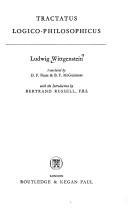 Tractatus logico-philosophicusLudwig WittgensteinA crystalline, numbered descent into the absolute limits of what can be thought and spoken.
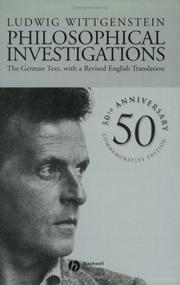 Philosophische UntersuchungenLudwig WittgensteinA therapeutic dismantling of the conceptual traps we build with our own words.
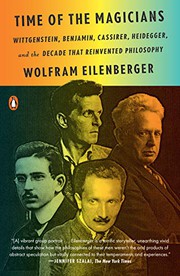 Zeit der ZaubererWolfram EilenbergerA stylish, intellectually charged narrative that weaves together the turbulent lives and groundbreaking ideas of four philosophical giants between two world wars.
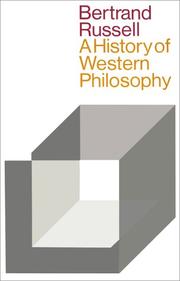 A History of Western PhilosophyBertrand RussellA sweeping, witty, and highly opinionated journey through the minds that shaped Western civilization.
 NietzscheMichael TannerAn illuminating and accessible journey through the life and complex thought of a famously misunderstood philosopher.
 FreudPeter GayA monumental, deeply immersive journey into the mind of the man who mapped the modern unconscious.