Books › Malenʹkai︠a︡ knizhka o bolʹshoĭ pami︠a︡ti

Malenʹkai︠a︡ knizhka o bolʹshoĭ pami︠a︡ti
First published 1968 · 192 pages
A fascinating, deeply empathetic portrait of a mind burdened by an inability to forget, blending clinical psychology with literary grace.
What it feels like
Reading this book feels like stepping inside a beautifully constructed but overwhelmingly cluttered palace of the mind. It is a steady, deeply intimate exploration of a man who literally cannot forget, written with a rare blend of clinical precision and profound literary empathy. The atmosphere is at once fascinating and deeply melancholic, as the initial awe of limitless memory gives way to the surreal, isolating reality of living with intense synesthesia and an inability to filter out the world. The prose is elegant and humane, pioneering the genre of romantic science by treating its subject not as a mere medical curiosity, but as a complex, struggling human being. It will utterly delight fans of Oliver Sacks and anyone captivated by the strange, fragile architecture of human consciousness.
- Mood
- fascinating
- melancholic
- surreal
- intimate
- Tone
- empathetic
- clinical
- poetic
- inquisitive
- compassionate
- Pace
- steady
- Themes
- the burden of memory · synesthesia and perception · isolation of the extraordinary · architecture of the mind · limits of human cognition
- The writing
- Elegant and deeply humanistic, blending precise scientific observation with the evocative, character-driven prose of a literary portrait.
- The arc
- Begins with intellectual awe at a seemingly superhuman cognitive ability and slowly descends into a profound, melancholic empathy for the isolating burden it creates.
- Who it's for
- Readers who love Oliver Sacks and are fascinated by the strange, beautiful, and sometimes tragic quirks of human cognition.
Content notes
- mental distress
- social isolation
About the book
A welcome re-issue of an English translation of Alexander Luria's famous case-history of hypermnestic man. The study remains the classic paradigm of what Luria called 'romantic science,' a genre characterized by individual portraiture based on an assessment of operative psychological processes. The opening section analyses in some detail the subject's extraordinary capacity for recall and demonstrates the association between the persistence of iconic memory and a highly developed synaesthesia. The remainder of the book deals with the subject's construction of the world, his mental strengths and weaknesses, his control of behaviour and his personality. The result is a contribution to literature as well as to science. (Psychological Medicine ).
Description from Open Library.
Books like Malenʹkai︠a︡ knizhka o bolʹshoĭ pami︠a︡ti
See why they match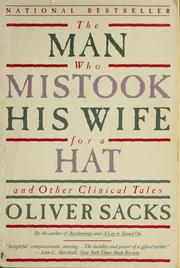 The Man Who Mistook His Wife for a HatOliver SacksA deeply empathetic and beautifully written exploration of the bizarre ways the human brain can misfire, revealing the fragile essence of who we are.
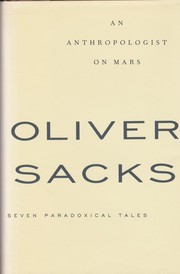 An Anthropologist on MarsOliver SacksA deeply empathetic and wondrous exploration of the extraordinary landscapes of the human mind.
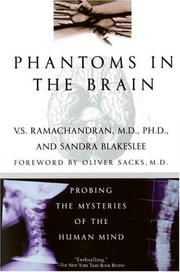 Phantoms in the brain : probing the mysteries of the human mindV. S. RamachandranA mind-bending and deeply empathetic exploration of the bizarre neurological glitches that reveal how our brains construct reality.
 Moonwalking with EinsteinJoshua FoerA witty, mind-expanding plunge into an eccentric subculture that will completely change how you think about your own brain.
 SybilFlora Rheta SchreiberA harrowing, deeply immersive descent into the fragmented mind of a trauma survivor fighting to reclaim her singular identity.
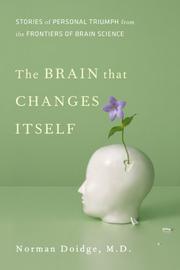 The Brain That Changes ItselfNorman DoidgeAn awe-inspiring exploration of human resilience that will fundamentally change how you view your own mind's potential.