Books › Manhood in America
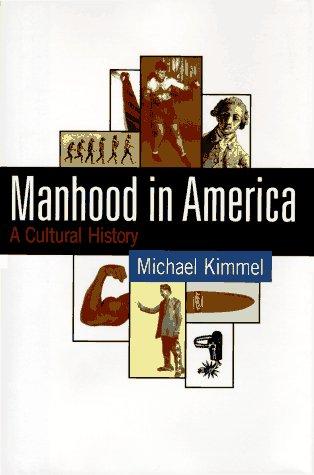
Manhood in America
First published 1996 · 544 pages
A fascinating, historically grounded exploration of how American masculinity has been constructed, contested, and constantly redefined.
What it feels like
Reading this book feels like stepping back to view a massive, shifting cultural tapestry. It is a steady, deeply intellectual journey that unpacks the invisible rules governing American men across centuries. The prose is authoritative yet highly accessible, blending historical pamphlets, pop culture, and sociological theory into a cohesive narrative. You are immersed in a reflective, inquisitive atmosphere that challenges the idea of fixed gender roles, revealing instead a landscape of constant performance and cultural anxiety. It is less about individual psychology and more about the sweeping societal currents that shape identity. This is a must-read for anyone fascinated by gender studies, history, and the complex, often contradictory ways society dictates what it means to be a man.
- Mood
- intellectual
- reflective
- historical
- inquisitive
- Tone
- authoritative
- analytical
- engaging
- sociological
- thought-provoking
- Pace
- steady
- Themes
- the performance of gender · historical evolution of identity · homosocial validation · cultural anxiety · shifting goalposts of masculinity
- The writing
- Accessible and engaging academic prose that blends historical anecdotes with sharp sociological analysis.
- The arc
- Moves from a sense of historical curiosity to a profound realization of how deeply cultural anxieties shape personal identity.
- Who it's for
- Readers interested in gender studies, sociology, and the historical forces that shape modern cultural expectations.
Content notes
- discussions of sexism
- homophobia
- historical prejudice
About the book
In a time when psychologists are rediscovering Darwin, and much of our social behavioral is being reduced to ancient, hard-wired patterns, Michael Kimmel's history of manhood in America comes as a much needed reminder that our behavior as men and women is anything but stable and fixed.
Kimmel's authoritative, entertaining, and wide-ranging history of men in America demonstrates that manhood has meant very different things in different eras. Drawing on advice books, magazines, political pamphlets, and popular novels and films, he makes two surprising claims: First, manhood is homosocial - that is, men need to prove themselves to each other, not to women. Second, definitions of manliness have evolved in response to women's movements. When women act, men react.
Originally, manliness was an internal virtue and a democratic ideal - British men were viewed as fops, and American men had to be independent, honest, and responsible. By the 1890s, however, manhood changed to masculinity, something that had to be constantly proven through the new explosion of sports, fraternities, and fashion. Finally, in 1936, Lewis Terman, the creator of the IQ test, developed an "M-F" test to analyze adolescents' masculinity and femininity.
Until well into the 1960s, the test penalized boys who preferred to draw flowers instead of forests, or who knew that a teacup was used for drinking tea. But just as Terman's categories and questions seem outdated to us, so will our own standards seem temporary to our successors.
Description from Open Library.
Books like Manhood in America
See why they match The new male sexualityBernie ZilbergeldA compassionate, myth-busting guide that trades impossible fantasies for the liberating reality of authentic intimacy.
 The way of menJack DonovanA blunt, unapologetic manifesto that strips away modern comforts to examine the primal roots of male identity and tribal survival.
 GenderLinda BrannonA comprehensive, research-grounded exploration of how gender shapes our minds, societies, and personal realities.
 Manhood for amateursMichael ChabonA warm, wry, and deeply articulate exploration of the fumbling, beautiful mess of modern fatherhood and middle age.
 Testosterone rexCordelia FineA witty, razor-sharp dismantling of the biological myths that prop up gender inequality.
 The Descent of ManGrayson PerryA warm, witty, and incisive dismantling of the invisible rules that govern modern manhood.