Books › March. Book One
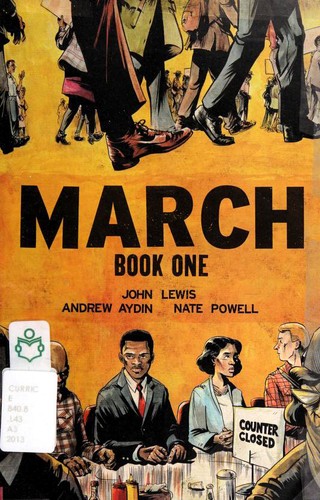
March. Book One
576 pages
A visceral, deeply personal graphic memoir that transforms historical milestones into an urgent, living testament of moral courage.
What it feels like
Reading this graphic memoir feels like sitting across from a living legend as they recount the crucible of their youth. The narrative moves with a steady, deliberate rhythm, mirroring the nonviolent marches it depicts. The stark, expressive black-and-white artwork casts a sobering yet deeply inspiring mood, pulling you directly into the tense rooms of early civil rights organizing and the terrifying vulnerability of the lunch counter sit-ins. The tone is earnest and reflective, balancing the quiet innocence of a rural Alabama childhood with the urgent, heavy weight of systemic injustice. It is a deeply moving experience that will captivate readers who love history told through an intimate, personal lens, offering a visceral reminder of the courage required to demand change.
- Mood
- inspiring
- tense
- sobering
- hopeful
- Tone
- earnest
- reflective
- urgent
- determined
- Pace
- steady
- Themes
- moral conviction · coming of age · collective action · systemic injustice · power of nonviolence
- The writing
- Direct, accessible, and deeply personal, relying on stark, expressive black-and-white artwork to carry the heavy emotional undertones.
- The arc
- Moves from the quiet innocence of rural childhood to the tense, empowering crucible of early civil rights activism.
- Who it's for
- Readers seeking a visceral, personal connection to history and those who appreciate graphic memoirs that tackle real-world struggles with grace.
Content notes
- racism
- racial slurs
- police brutality
- systemic oppression
About the book
March is a vivid first-hand account of John Lewis’ lifelong struggle for civil and human rights, meditating in the modern age on the distance traveled since the days of Jim Crow and segregation. Rooted in Lewis’ personal story, it also reflects on the highs and lows of the broader civil rights movement.
Book One spans John Lewis’ youth in rural Alabama, his life-changing meeting with Martin Luther King, Jr., the birth of the Nashville Student Movement, and their battle to tear down segregation through nonviolent lunch counter sit-ins, building to a stunning climax on the steps of City Hall.
Many years ago, John Lewis and other student activists drew inspiration from the 1950s comic book "Martin Luther King and the Montgomery Story." Now, his own comics bring those days to life for a new audience, testifying to a movement whose echoes will be heard for generations. --back flap
Description from Open Library.
Books like March. Book One
See why they match Claudette Colvin Twice Toward JusticePhillip HooseAn earnest, interview-driven exploration of an unsung teenage hero whose courage helped spark a monumental civil rights movement.
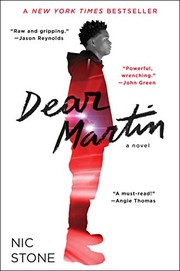 Dear MartinNic StoneA raw, urgent exploration of coming of age in a world that refuses to see you as just a kid.
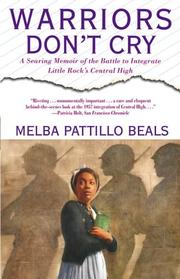 Warriors Don't CryMelba Patillo BealsA harrowing, deeply personal memoir that plunges you into the terrifying and triumphant reality of a teenager on the front lines of history.
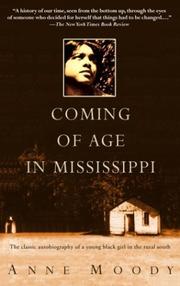 Coming of Age in MississippiAnne MoodyA candid, sensory, and deeply moving portrait of a young woman's indomitable spirit awakening in the dangerous pre-civil rights South.
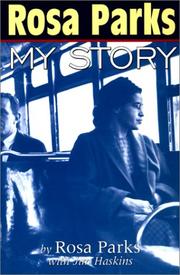 Rosa ParksRosa ParksA quiet, dignified testament to the monumental power of a single act of refusal.
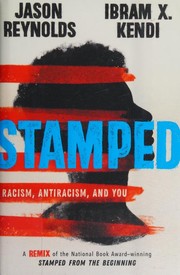 StampedJason Reynolds and Ibram X. KendiA rhythmic, conversational dismantling of American history that reads less like a textbook and more like an urgent, eye-opening chat with a brilliant friend.