Books › Rosa Parks

Rosa Parks
First published 1956 · 192 pages
A quiet, dignified testament to the monumental power of a single act of refusal.
What it feels like
Reading this memoir feels like sitting at the kitchen table with a deeply respected elder, listening to history unfold in a voice that is remarkably calm, clear, and unadorned. The narrative moves at a steady, deliberate pace, grounding the reader in the everyday realities of systemic oppression before building to its quiet crescendo of defiance. There is no need for dramatic embellishment; the prose relies on a matter-of-fact dignity that makes the underlying courage all the more striking. The mood is both somber and deeply inspiring, capturing the heavy atmosphere of the segregated South while radiating a steadfast hope. It is a perfect read for those who want to feel the human heartbeat behind a towering historical moment, finding profound strength in ordinary resolve.
- Mood
- inspiring
- somber
- grounded
- hopeful
- Tone
- dignified
- earnest
- matter-of-fact
- resolute
- Pace
- steady
- Themes
- quiet defiance · systemic injustice · moral courage · power of ordinary people
- The writing
- Clear, accessible, and unadorned, speaking with a quiet authority that needs no embellishment.
- The arc
- Moves from the oppressive weight of systemic indignity to a quiet, resolute spark of defiance that ignites collective hope.
- Who it's for
- Readers seeking a grounded, first-hand account of history and those who find inspiration in quiet, steadfast courage.
Content notes
- racism
- systemic oppression
- threats of violence
- racial discrimination
About the book
When Parks refused to give up her seat to a white man on an Alabama bus in 1955, she sparked the Civil Rights Movement.
Description from Open Library.
Books like Rosa Parks
See why they match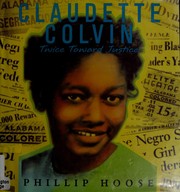 Claudette Colvin Twice Toward JusticePhillip HooseAn earnest, interview-driven exploration of an unsung teenage hero whose courage helped spark a monumental civil rights movement.
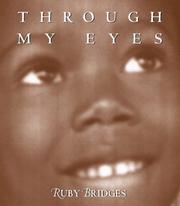 Through My EyesRuby BridgesA deeply personal, clear-eyed reflection on facing the ugly weight of history with the quiet, bewildering courage of a child.
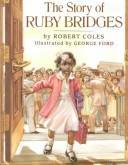 The Story of Ruby BridgesRobert ColesA quiet, deeply moving testament to the monumental courage of a child facing down the hatred of an adult world.
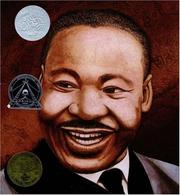 Martin's big wordsDoreen RappaportA visually and textually striking tapestry that distills a monumental life into accessible, resonant truths about the power of language.
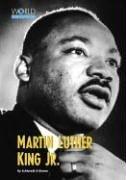 Martin Luther King, JrValerie SchloredtAn accessible, inspiring journey through the life and legacy of a leader who changed history through non-violent resistance.
 Why We Can't WaitMartin Luther King Jr.A soaring, urgent masterclass in moral clarity and the undeniable demand for immediate justice.