Books › Martin Eden

Martin Eden
First published 1992 · 806 pages
A feverish, tragic portrait of artistic ambition that burns brightly before collapsing under the weight of its own disillusionment.
What it feels like
Reading this novel feels like watching a fire consume itself. It begins with a feverish, almost intoxicating energy as you are swept up in a desperate, muscular drive for self-education and literary conquest. The prose is vigorous and impassioned, mirroring the raw hunger of a working-class soul clawing its way into the bourgeois intelligentsia. But as the pages turn, the mood shifts from sunlit idealism to a cold, creeping desolation. The narrative settles into a steady, inevitable rhythm of profound alienation, exposing the hollow core of success and societal validation. It is a deeply melancholic, intellectually restless experience that will resonate with anyone who has ever felt like an outsider looking in, or who has questioned the true cost of achieving their dreams.
- Mood
- feverish
- melancholic
- intellectually restless
- desolate
- Tone
- earnest
- cynical
- passionate
- philosophical
- Pace
- steady
- Themes
- the illusion of success · class alienation · the agony of creation · intellectual awakening · disillusionment
- The writing
- Vigorous, muscular, and deeply impassioned, blending raw realism with philosophical intensity.
- The arc
- Begins with burning, idealistic ambition and ascends to intellectual triumph, only to plummet into profound, isolating despair.
- Who it's for
- Readers who are drawn to intense, tragic character studies about the creative struggle and the dark side of the American Dream.
Content notes
- suicide
- depression
- poverty
- class prejudice
About the book
Jack London's Martin Eden was first published in 1909 and is the story of a young writer's quest for celebrity and love. Much loved by writers who identify with Martin's belief that when he posted a manuscript, 'there was no human editor at the other end, but a mere cunning arrangement of cogs that changed the manuscript from one envelope to another and stuck on the stamps,' that automatically returned it slapped with a rejection slip.
Description from Open Library.
Books like Martin Eden
See why they match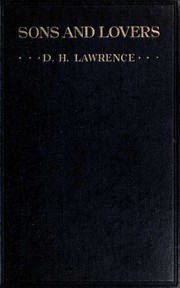 Sons and LoversDavid Herbert LawrenceA visceral, psychologically intense exploration of a young man suffocating under the weight of his mother's all-consuming love.
 East of EdenJohn SteinbeckA sweeping, sun-baked family epic that wrestles with the darkest corners of human nature and the agonizing beauty of free will.
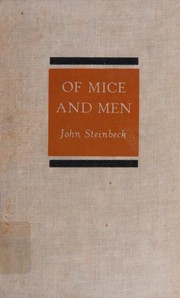 Of Mice and MenJohn SteinbeckA devastating, tightly coiled portrait of brotherhood and shattered dreams in the dusty margins of America.
 Of Mice and Men & Cannery RowJohn StienbeckA deeply human exploration of friendship, poverty, and the fragile dreams that sustain us in a harsh world.
 John BarleycornJack LondonA rugged, unflinching memoir that wrestles with the romantic allure and existential devastation of addiction.
 Burning DaylightJack LondonA muscular, frost-bitten epic that trades the brutal honesty of the frozen wild for the cutthroat deception of high society, before finding peace in the dirt.