Books › East of Eden
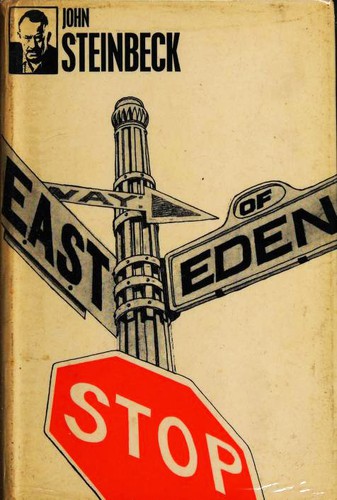
East of Eden
First published 1952 · 891 pages
A sweeping, sun-baked family epic that wrestles with the darkest corners of human nature and the agonizing beauty of free will.
What it feels like
Reading this novel feels like standing in the vast, sun-baked expanse of the Salinas Valley, feeling the weight of generations pressing down on the soil. It is a steady, sweeping epic that wraps you in a deeply mythic atmosphere, where every family quarrel feels as ancient and inevitable as a biblical parable. The prose is earthy yet majestic, grounding lofty philosophical questions about free will, inherited sin, and the nature of evil in the dirt and sweat of ordinary lives. You will be captivated by its chilling depictions of malice and moved by its desperate, tender yearning for redemption. It is a perfect, immersive experience for readers who crave sprawling, multi-generational sagas that demand to be savored slowly, leaving a profound, lingering ache long after the final page.
- Mood
- sun-drenched
- mythic
- melancholic
- foreboding
- rooted
- Tone
- philosophical
- earnest
- compassionate
- sweeping
- moralistic
- Pace
- steady
- Themes
- the burden of free will · inherited trauma · the nature of evil · sibling rivalry · the search for parental love
- The writing
- Lyrical, expansive, and deeply observant, blending earthy realism with biblical grandeur.
- The arc
- Moves from the heavy, fatalistic weight of inherited trauma toward a hard-won, fragile realization of personal agency and redemption.
- Who it's for
- Readers who love sweeping, character-driven family sagas that grapple with heavy philosophical and moral questions.
Content notes
- domestic abuse
- psychological manipulation
- murder
- suicide
- sex work
About the book
Steinbeck considered East of Eden to be his masterpiece. In his journal, Journal of a Novel (often read as a companion to the novel) he notes that “this is the book I have always wanted and have worked and prayed to be able to write Set primarily in the Salinas Valley in the early twentieth century, the novel traces three generations of two families – the Trasks and the Hamiltons – as they grapple with the ever-present forces of good and evil. From this plot emerged some of Steinbeck’s most fascinating characters – many of whom are modeled after people in his own life.
Part allegory, part autobiography, and part epic, East of Eden was an ambitious project from the start – a gift to Steinbeck’s sons that was meant to teach them about identity, grief, and what it means to be human. Tinged with biblical echoes of the fall of Adam and Eve and the rivalry of Cain and Abel, this sprawling saga has captivated audiences everywhere for generations. It is through the popularization of East of Eden that the Salinas Valley was truly transformed into “the valley of the world”; a place where everyone is able to find a piece of themselves in the golden, rolling hills.
Description from Open Library.
Books like East of Eden
See why they match Of Mice and MenJohn SteinbeckA devastating, tightly coiled portrait of brotherhood and shattered dreams in the dusty margins of America.
 Of Mice and Men & Cannery RowJohn StienbeckA deeply human exploration of friendship, poverty, and the fragile dreams that sustain us in a harsh world.
 The Grapes of WrathBoyd CableA sweeping, dust-choked epic of survival that burns with righteous indignation and radical empathy.
 The Winter of Our DiscontentJohn SteinbeckA slow-burn psychological portrait of a good man rationalizing his way into moral bankruptcy.
 Martin EdenJack LondonA feverish, tragic portrait of artistic ambition that burns brightly before collapsing under the weight of its own disillusionment.
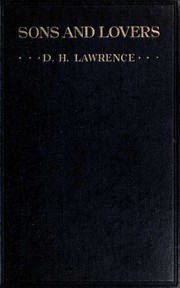 Sons and LoversDavid Herbert LawrenceA visceral, psychologically intense exploration of a young man suffocating under the weight of his mother's all-consuming love.