Books › Microprocessors and interfacing

Microprocessors and interfacing
624 pages
A methodical descent into the bare metal of computing, transforming abstract code into tangible hardware logic.
What it feels like
Reading this book feels like taking apart a complex mechanical clock to see exactly how the gears mesh. It demands a slow, deliberate pace as you trace logic gates, memory addresses, and assembly instructions. The mood is highly focused and cerebral, stripping away the sleek abstractions of modern computing to reveal the raw, foundational architecture beneath. The prose is unapologetically technical and structured, guiding the reader with authoritative precision rather than narrative flair. It rewards patience with profound moments of clarity when the bridge between software commands and physical electrical signals finally clicks. This is a deeply satisfying, utilitarian journey for tinkerers, engineering students, and retro-computing enthusiasts who crave a granular, ground-up understanding of how machines actually think.
- Mood
- cerebral
- focused
- utilitarian
- academic
- Tone
- instructional
- objective
- precise
- authoritative
- methodical
- Pace
- steady
- Themes
- demystifying the machine · foundational logic · structured problem-solving · hardware-software synergy
- The writing
- Clear, methodical, and unapologetically dense with technical terminology and structured logic.
- The arc
- Moves from the daunting complexity of raw hardware to the satisfying clarity of low-level mastery.
- Who it's for
- Computer engineering students, retro-computing enthusiasts, and tinkerers who want to understand the bare metal of early PC architecture.
About the book
This text focuses on the Intel 8086 family that are used in the IBM PC's and teaches students the programming, system connections, and interfacing of microprocessors and their peripheral devices in detail. Students begin with a brief introduction to computer hardware which leads to an in-depth look at how microprocessor-based computers are programmed to do real tasks. They also cover assembly language programming of 8086-based systems. Throughout the text, the emphasis is on writing assembly language programs in a top-down, structured manner. Included are comparisons between CISC and RISC microcomputer architectures and their trade-offs.
Description from Open Library.
Books like Microprocessors and interfacing
See why they match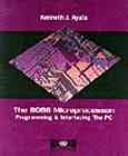 The 8086 microprocessorKenneth J. AyalaA rigorous, methodical immersion into the foundational architecture and programming of a classic microprocessor.
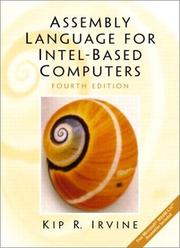 Assembly language for Intel-based computersIrvineA methodical descent into the bare metal of computing, trading high-level abstraction for absolute, granular control.
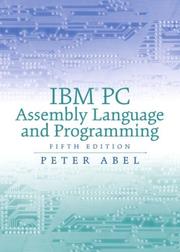 IBM PC assembly language and programmingAbel, PeterA rigorous, bare-metal descent into the foundational logic of early personal computing.
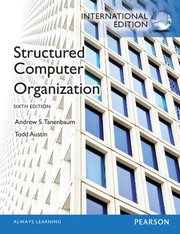 Structured Computer OrganizationAndrew S. TanenbaumA methodical, illuminating journey down the rabbit hole of computing, turning technological magic into logical architecture.
 Microprocessor architecture, programming, and applications with the 8085Ramesh S. GaonkarA rigorous, foundational journey into the bare metal of computing that transforms abstract logic into tangible understanding.
 Computer Organization and DesignJohn L. Hennessy and David A. PattersonA rigorous, illuminating descent through the layers of abstraction that make modern computing possible.