Books › Assembly language for Intel-based computers

Assembly language for Intel-based computers
First published 1999 · 722 pages
A methodical descent into the bare metal of computing, trading high-level abstraction for absolute, granular control.
What it feels like
Reading this is like taking apart a complex mechanical watch to finally understand how the gears turn. It offers a steady, methodical descent beneath the comfortable abstractions of modern programming, dropping you directly onto the bare metal of the machine. The atmosphere is deeply focused and academic, demanding your full attention as it builds from basic registers to complex memory management. Yet, the narration remains remarkably clear and encouraging, acting as a steady guide through the daunting architecture of Intel processors. It trades the rapid gratification of high-level languages for a slow-burn, profound satisfaction. This is a deeply rewarding experience for anyone who craves absolute control and wants to demystify the magic happening inside their computer's core.
- Mood
- focused
- academic
- intellectually rigorous
- Tone
- authoritative
- precise
- methodical
- encouraging
- Pace
- steady
- Themes
- bare-metal computing · demystifying the machine · absolute control · foundational logic
- The writing
- Crisp, highly structured, and relentlessly clear, designed to build complex concepts from simple, digestible axioms.
- The arc
- Moves from the daunting complexity of low-level architecture to the deep satisfaction of total, granular control.
- Who it's for
- Programmers and computer science students hungry to strip away high-level abstractions and understand exactly what the processor is doing.
About the book
Rev. ed. of: Assembly language for the IBM-PC. 2nd ed. c1993. Includes index. System requirements for computer disk: Microsoft Windows 3.1, Microsoft Windows 95, Microsoft Windows 3.1, or Microsoft DOS.
Description from Open Library.
Books like Assembly language for Intel-based computers
See why they match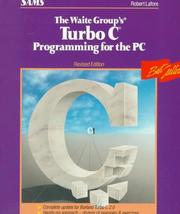 The Waite Group's Turbo C programming for the PCRobert LaforeA patient, structured journey into the heart of the machine that turns the intimidating syntax of low-level programming into an empowering toolkit.
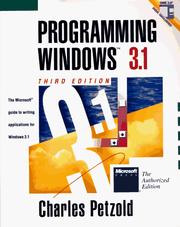 Programming Windows 3.1Charles PetzoldA deeply focused, instructional guide to mastering the architecture and development environment of early 1990s personal computing.
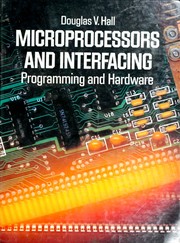 Microprocessors and interfacingDouglas V. Hall and Andrew L. RoodA methodical descent into the bare metal of computing, transforming abstract code into tangible hardware logic.
 The 8086 microprocessorKenneth J. AyalaA rigorous, methodical immersion into the foundational architecture and programming of a classic microprocessor.
 C programmingKim N. KingA lucid, methodical journey into the bedrock of modern computing that transforms intimidation into structural mastery.
 Undocumented DOSAndrew SchulmanAn exhaustive, highly technical deep-dive into the hidden architecture of classic operating systems.