Books › Midnight's Children

Midnight's Children
795 pages
A kaleidoscopic, maximalist fever dream where personal destiny and national history collide in a riot of sensory details.
What it feels like
Reading this novel feels like being swept into a chaotic, vibrant street market of history and memory, guided by a narrator who cannot stop talking, digressing, and spinning tales. The pace is unapologetically meandering, demanding that you surrender to its sprawling, maximalist architecture rather than rush toward a conclusion. It is a feverish, kaleidoscopic experience, drenched in the sensory overload of smells, sounds, and colors, where the mundane and the magical bleed into one another. The prose is breathless and exuberant, packed with wordplay and tragicomic irony, tracing an emotional arc from the boundless, magical promise of youth to the fractured disillusionment of adulthood. It will delight readers who crave ambitious, mythic storytelling and do not mind getting lost in a labyrinth of beautiful, overwhelming sentences.
- Mood
- kaleidoscopic
- feverish
- mythic
- chaotic
- Tone
- exuberant
- ironic
- self-reflexive
- tragicomic
- Pace
- meandering
- Themes
- weight of history · fractured identity · collective memory · loss of innocence · illusion of destiny
- The writing
- Lush, maximalist, and breathless, packed with wordplay, digressions, and overwhelming sensory details.
- The arc
- Moves from the boundless, magical promise of youth to the fractured, tragicomic disillusionment of adulthood.
- Who it's for
- Readers who love sprawling, ambitious literary epics that blend history with myth and demand active engagement with complex narration.
Content notes
- war violence
- political oppression
- torture
- sexual assault
About the book
Midnight's Children is a 1981 novel by author Salman Rushdie. It portrays India's transition from British colonial rule to independence and the partition of India. It is considered an example of postcolonial, postmodern, and magical realist literature. The story is told by its chief protagonist, Saleem Sinai, and is set in the context of actual historical events. The style of preserving history with fictional accounts is self-reflexive.
Midnight's Children won both the Booker Prize and the James Tait Black Memorial Prize in 1981. It was awarded the "Booker of Bookers" Prize and the best all-time prize winners in 1993 and 2008 to celebrate the Booker Prize 25th and 40th anniversary.In 2003, the novel was listed on the BBC's The Big Read poll of the UK's "best-loved novels". It was also added to the list of Great Books of the 20th Century, published by Penguin Books.
Description from Open Library.
Books like Midnight's Children
See why they match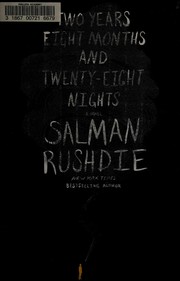 Two years eight months and twenty-eight nightsSalman RushdieA lush, modern fairytale that pits reason against unreason in a playful, magical battle for the soul of the world.
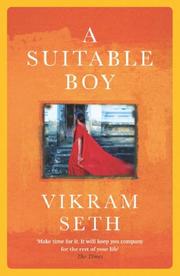 A Suitable BoyVikram SethA sprawling, deeply affectionate immersion into the bustling heart of a newly independent nation and the quiet pragmatism of the human heart.
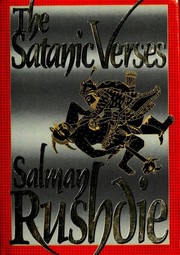 The Satanic VersesSalman RushdieA kaleidoscopic, maximalist fever dream that wrestles with faith, migration, and the chaotic collision of cultures.
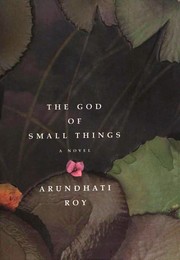 The God of Small ThingsArundhati RoyA lush, devastating plunge into a humid world where history and forbidden love collide to shatter a family.
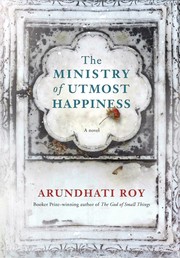 The Ministry of Utmost HappinessArundhati RoyA sprawling, deeply felt tapestry of broken souls finding sanctuary in the margins of a fractured nation.
 A Fine BalanceRohinton MistryA sweeping, emotionally devastating epic that finds fragile moments of profound tenderness amidst the crushing machinery of history.